Mexico City's 22 million residents have cultivated a dining culture so complex that no single guide can map it completely. This Mexico City restaurants guide doesn't attempt encyclopedic coverage, it offers something more useful: a framework for eating your way through one of the world's great food capitals, where a $2 taco can deliver more satisfaction than most tasting menus and where the neighborhood you choose matters as much as the restaurant itself.
The city operates on a rhythm foreign to most visitors. Markets open at dawn. Office workers take two-hour lunches at comedores. Reservation restaurants don't seat until 9 p.m. Street vendors set up their al pastor spits at dusk and work until 2 a.m. Understanding this cadence is the first step toward eating well here.
Where Should I Eat in Mexico City?
The answer depends entirely on when you're asking. Mexico City dining follows a three-act structure, and the best days alternate between market breakfasts, neighborhood lunch spots, and evening reservation restaurants across different colonias.
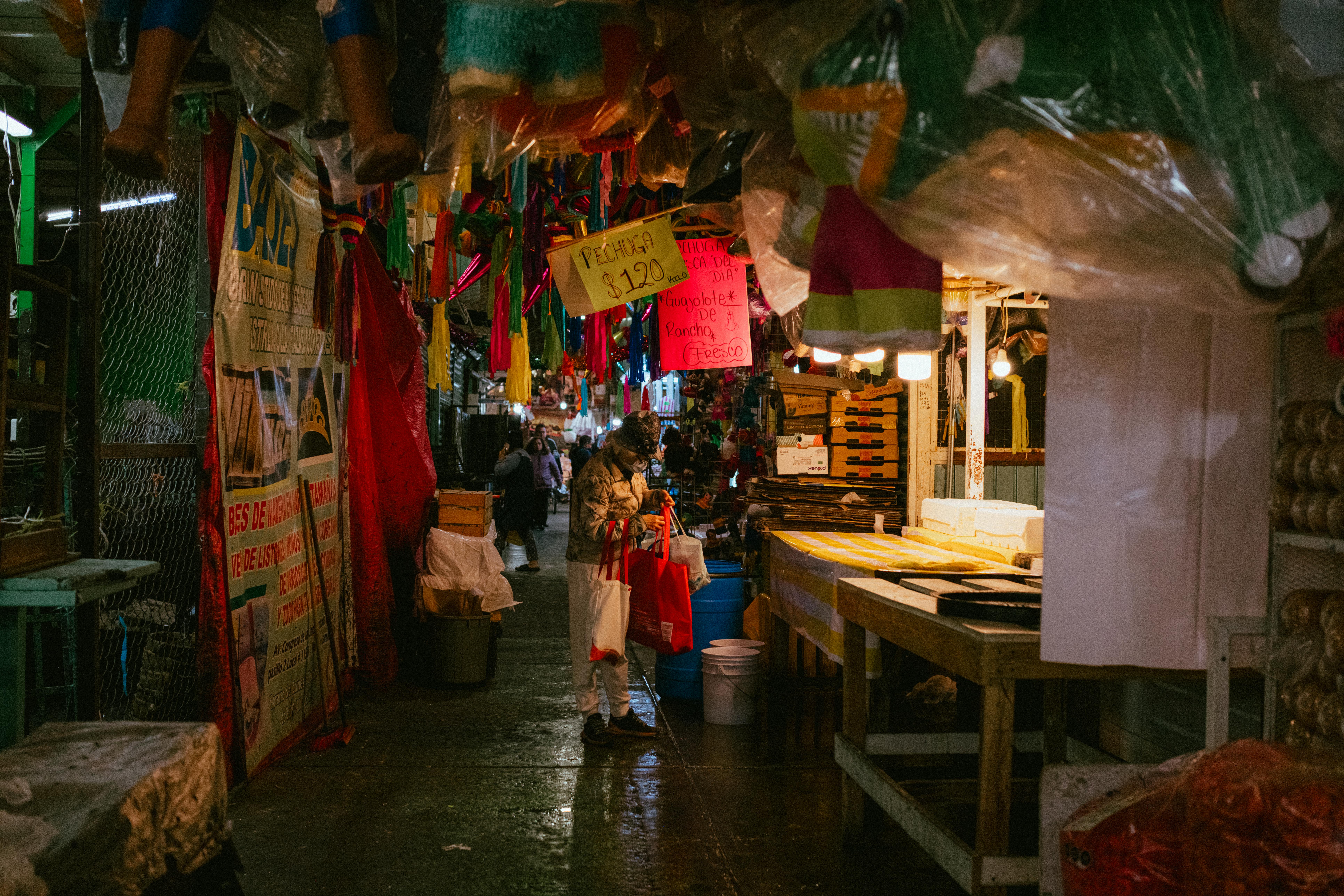
Start mornings at Mercado San Juan in Centro Histórico, where vendors have sold exotic meats, imported cheeses, and morning birria since 1850. The market's comedores open at 7 a.m., serving chilaquiles and café de olla to chefs who source their dinner ingredients before most tourists wake. Mercado de Coyoacán offers a similar experience with less international vendor presence but stronger local attendance.
The Mid-Morning Taquería Window
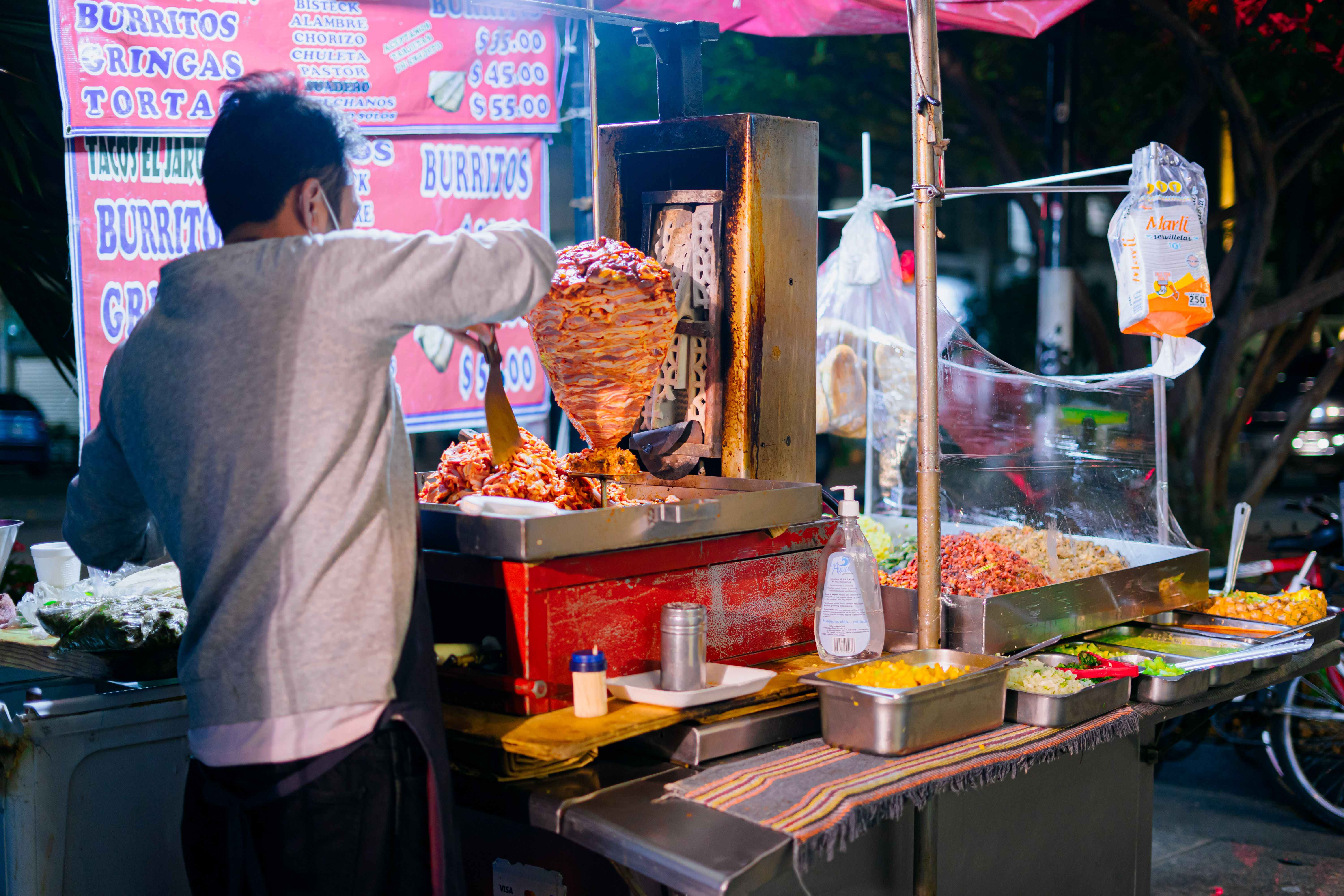
Between 10 a.m. and noon, when breakfast service ends and lunch hasn't begun, the city's best taquerías operate in relative calm. Taquería Orinoco in Roma Norte serves what many consider the city's finest al pastor, pork carved from a vertical spit, topped with grilled pineapple, and folded into corn tortillas made on-site every morning. The line forms by 12:30 p.m. and doesn't clear until 3 p.m., but arrive at 10:45 a.m. and you'll walk straight to the counter.
Reservation Restaurants Require Planning
Pujol, ranked among Latin America's best restaurants by The World's 50 Best organization, books two months ahead for weekend evenings. Quintonil, its peer in both rankings and philosophy, fills similarly far in advance. But both restaurants hold bar seats for walk-ins, and solo diners who arrive at 6 p.m. opening often secure those spots. The same strategy works at Rosetta, where chef Elena Reygadas serves Italian-inflected Mexican cuisine in a Polanco townhouse that feels more like a dinner party than a restaurant.
For visitors managing tight schedules around flight delays or cancellations, issues that our flight delay recovery service handles regularly, Mexico City offers unusual flexibility. Most neighborhood restaurants don't take reservations at all, and even high-end spots like Máximo Bistrot Local seat walk-ins at off-peak hours.
What Are the Must-Try Foods in Mexico City?
Mexico City's essential dishes reflect indigenous ingredients filtered through 500 years of cultural collision. The must-try list isn't about checking boxes, it's about understanding how geography and history shaped what people eat daily.
Tacos al pastor originated here in the 1960s when Lebanese immigrants adapted shawarma technique to local ingredients. The vertical spit, the pineapple crown, the thin-sliced pork, all innovations specific to Mexico City. El Tizoncito claims to have invented the dish and still serves a version close to that original. But the best al pastor evolves constantly, and current top contenders include Taquería Los Cocuyos in Condesa and El Vilsito, a mechanic shop by day that transforms into a taquería after dark.
The Mole Geography
Mole represents Mexico's most complex culinary tradition, sauces requiring 20 to 30 ingredients, hours of preparation, and techniques passed between generations. Mexico City serves as a crossroads for regional mole styles. Oaxacan mole negro appears on menus across Polanco and Roma. Pueblan mole poblano, the chocolate-tinged version most foreigners recognize, defines the dish at spots like Azul Histórico in Centro.
Pujol's mole madre, aged more than 1,000 days and served alongside fresh mole nuevo, represents chef Enrique Olvera's argument that Mexican cuisine deserves the same reverence as French or Japanese traditions. At $300 per person, it's a statement as much as a meal. But a $12 mole plate at Fonda Margarita in Coyoacán, made by cooks who learned the technique from their grandmothers, offers its own kind of perfection.
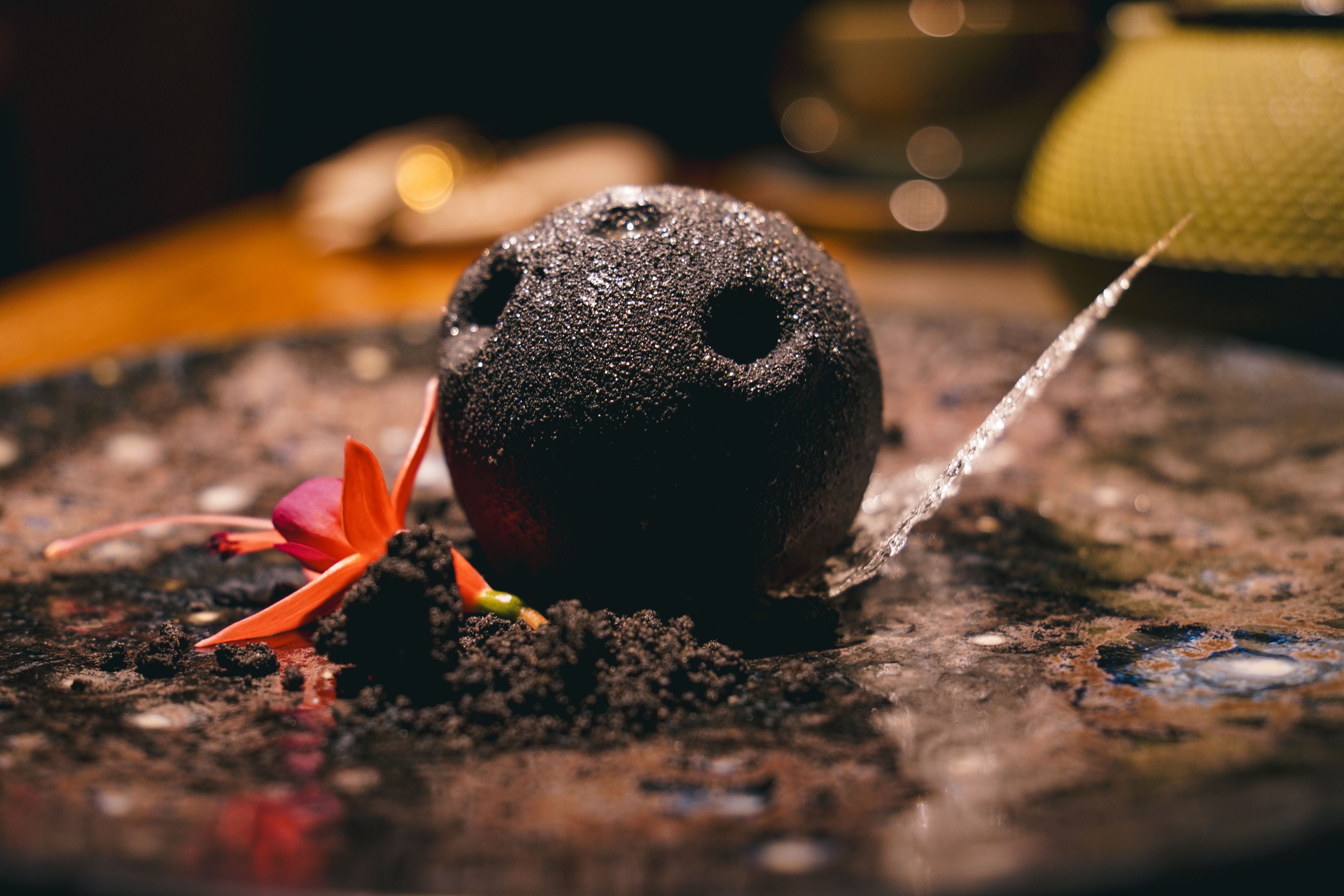
Market Foods and Morning Rituals
Tamales form the foundation of Mexico City breakfast culture. Vendors set up steamers at dawn throughout Centro Histórico, selling tamales wrapped in corn husks or banana leaves for 20 to 30 pesos each. The variety staggers first-time visitors: green salsa, red salsa, chicken, pork, cheese with jalapeño, sweet versions with pineapple or strawberry, even mole tamales that concentrate that complex sauce into portable form.
Chilaquiles, fried tortilla chips simmered in salsa verde or roja, topped with crema, cheese, and often a fried egg, appear on every breakfast menu. The dish transforms stale tortillas into something revelatory, and the best versions maintain textural contrast between soft and crispy chips. Lalo! in Condesa serves the city's most Instagrammed version, but locals argue for the simpler preparation at Café El Popular, a 24-hour diner in Centro that's fed night-shift workers since 1947.
Is Street Food Safe in Mexico City?
The question reveals more about cultural assumptions than actual risk. Mexico City street food operates under health regulations that vendors violate at their economic peril, a reputation for making customers sick ends a business faster than any fine.
The practical answer: follow the lines. A taco stand with a 20-person queue at 10 p.m. on Tuesday is turning over ingredients fast enough that nothing sits long under heat lamps. That rapid turnover, combined with high cooking temperatures and standardized handling, creates an environment safer than many restaurant kitchens. Anthony Bourdain made this argument repeatedly in his Mexico City coverage, noting that he ate street food exclusively during his visits and never experienced issues.
The Water Question
Tap water in Mexico City meets federal safety standards in most neighborhoods, according to Mexican Ministry of Tourism data, but the delivery infrastructure remains inconsistent. Most locals don't drink tap water, not because of contamination at the source but because of concerns about building pipes. Street food vendors use purified water for aguas frescas and ice, both because regulations require it and because customer expectations demand it. Still, cautious travelers should stick to beverages served sealed or obviously carbonated for the first few days while their systems adjust.
Strategic Selection
Certain foods carry lower risk than others. Anything cooked to order at high heat, tacos al pastor carved from the spit, quesadillas made on a fresh comal, tlacoyos grilled over charcoal, presents minimal concern. Raw preparations like ceviche require more judgment. Look for vendors with visible refrigeration, rapid customer turnover, and ingredients that appear fresh rather than pre-portioned hours earlier.
Mercado Roma in Roma Norte offers a middle path for risk-averse visitors: vendors operate in a controlled environment with health inspections, but the food maintains street-food energy and pricing remains reasonable. It's not quite authentic street experience, but it delivers solid food without compromise.
How Much Does a Meal Cost in Mexico City?
Mexico City's dining economy operates on a scale that confounds visitors accustomed to developed-economy pricing. A complete meal progression, breakfast, lunch, dinner, and late-night snacks, can cost $15 or $500, and both represent legitimate ways to eat well here.
Street tacos run 15 to 25 pesos each (roughly $0.85 to $1.40 at current exchange rates). Three tacos, an agua fresca, and perhaps a quesadilla create a filling meal for under $5. Scale up to a sit-down taquería with waiter service and menus printed on paper rather than hand-lettered on cardboard, and that same meal costs $10 to $12.
The Comedor Economy
Neighborhood comedores, casual restaurants serving daily lunch specials to local workers, offer the city's best value. The comida corrida (set lunch menu) typically includes soup, rice or pasta, a main protein dish, tortillas, agua fresca, and sometimes dessert for 80 to 120 pesos ($4.50 to $7). These meals aren't tourist performances, they're how millions of people eat lunch every day, and the food reflects genuine home cooking scaled to commercial volume.
Fonda Mayora in Condesa exemplifies the format: daily-changing menus written on a chalkboard, mismatched chairs, and cooking that tastes like someone's grandmother is in the kitchen because, in fact, she is. Arrive between 2 p.m. and 4 p.m. when Mexican lunch culture peaks, and you'll eat surrounded by families, solo office workers, and construction crews taking their mid-day break.
High-End Pricing in Context
Pujol's tasting menu costs $300 per person before wine. Quintonil charges similar rates. Rosetta, Máximo Bistrot Local, and Sud 777 run $150 to $200 for multi-course experiences. These prices feel steep in absolute terms but remain significantly below equivalent restaurants in New York, Paris, or Tokyo. The broader question is whether Mexico City's top restaurants justify the cost when excellent neighborhood cooking exists at one-tenth the price.
The answer depends on what you're buying. Reservation restaurants don't just serve food, they present arguments about Mexican cuisine's place in global gastronomy, they experiment with techniques and ingredients, and they create experiences designed to last in memory. But a perfect $2 taco al pastor delivers its own kind of transcendence, and the city's genius lies in offering both without hierarchy.
For travelers managing hotel charges or disputes that might affect their dining budget, Mexico City's pricing flexibility means recalibrating doesn't require sacrifice, it just means shifting from Polanco reservation restaurants to Roma neighborhood spots where $30 per person still buys remarkable meals.
Which Neighborhoods Have the Best Restaurants in Mexico City?
Mexico City sprawls across 573 square miles, but the dining geography concentrates in half a dozen walkable neighborhoods, each with distinct character and culinary identity. Smart itineraries rotate between colonias rather than attempting to "do" one completely.
Roma and Condesa: The Contemporary Core
Roma Norte and Condesa form the axis of contemporary Mexico City dining. Tree-lined streets, Art Deco architecture, and a concentration of restaurants, bars, and cafés create an environment where you can walk from breakfast through late-night snacks without entering a car. Rosetta anchors Roma's high end. Contramar, the seafood institution where chilpachole soup and whole grilled fish have achieved near-mythical status, defines the neighborhood's aesthetic: fresh, light, ingredient-focused cooking that feels effortless but requires absolute precision.
Lardo, Máximo Bistrot Local, and Blanco Colima represent the next tier, serious restaurants without the formality or price point of reservation temples. Mid-week evenings, all three accommodate walk-ins, and the cooking rivals anywhere in the city. For context, Eater has covered all three extensively in their Mexico City guides, noting how they've influenced a generation of younger restaurants.
Polanco: Where Money Eats
Polanco is Mexico City's wealth concentrated in one colonia, luxury boutiques, international hotels, and the country's most expensive real estate. The restaurant scene reflects that audience. Pujol occupies a nondescript building on Calle Francisco Petrarca. Quintonil sits a few blocks away. Dulce Patria serves Alta Cocina Mexicana that borders on theatrical. These restaurants target expense accounts, special occasions, and visitors for whom $200 per person doesn't register as unusual.
But Polanco also holds Mercado de Antojitos Mexicanos on Calle Moliere, where vendors serve traditional Mexican snacks at street-food prices. The contrast, millionaires' cars parked outside a corrugated-metal market hall, captures something essential about Mexico City's relationship to food. Quality doesn't correlate with price the way it does in other capitals, and some of the city's best meals cost less than a cocktail at the hotel bar.
Centro Histórico: The Deep History
Centro Histórico contains more than 1,400 buildings classified as historic monuments, and its food culture runs equally deep. This is where Spanish colonizers built their capital on top of Tenochtitlán, and where street vendors have sold food to passersby for centuries. Hostería Santo Domingo, opened in 1860, serves traditional Mexican dishes, chiles en nogada, romeritos, mole, that haven't changed significantly in 160 years. Café de Tacuba, operating since 1912, offers similar historical continuity in an environment that feels like eating inside a museum.
For travelers who've dealt with travel insurance complications or unexpected expenses that make $200 tasting menus impractical, Centro offers density and accessibility. You can eat breakfast at a market comedor, lunch at Hostería Santo Domingo, and dinner at a sidewalk taco stand, spending perhaps $25 total while touching three different culinary traditions.
Coyoacán: The Neighborhood Restaurant
Coyoacán feels separate from the rest of Mexico City, smaller scale, more residential, built around a colonial plaza that hosts weekend markets and street performers. The neighborhood's restaurants reflect that character: less experimental than Roma, less expensive than Polanco, more focused on consistent neighborhood cooking than chasing trends. Fonda Margarita, Los Danzantes, and Corazón de Maguey all serve variations on traditional Mexican cuisine to audiences that include local families, university students from nearby UNAM, and visitors drawn by the Frida Kahlo museum.
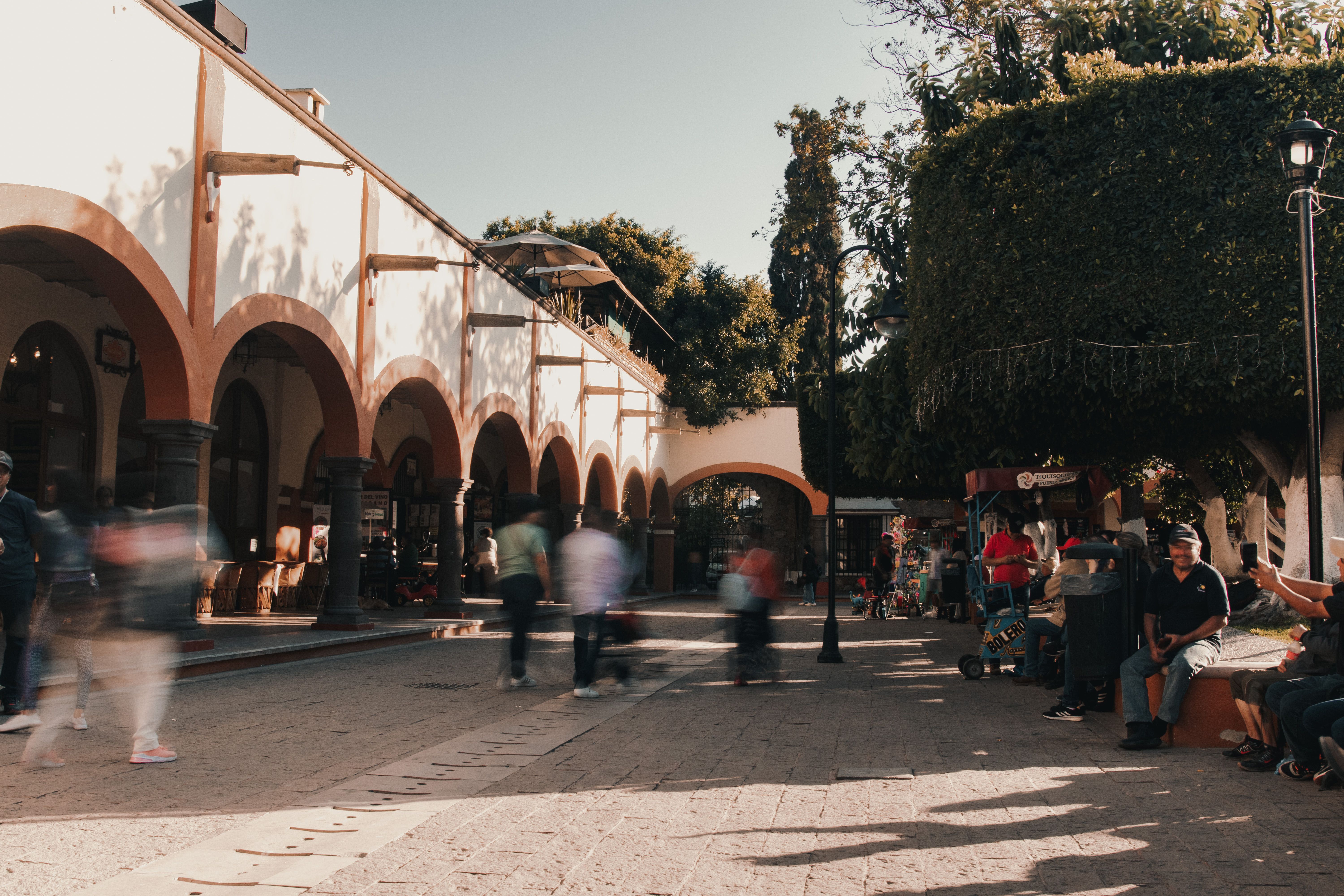
Sunday mornings in Coyoacán operate at a different tempo than the rest of the city. The market fills with families buying produce, flowers, and prepared foods. Restaurants set up outdoor tables. Street musicians work the plaza. It's Mexico City at its most village-like, and the food matches that energy, generous, unfussy, built around satisfaction rather than innovation.
Building Your Mexico City Food Strategy
The strongest approach alternates between categories rather than attempting comprehensive coverage of any single neighborhood or style. Eat breakfast at markets. Take lunch at comedores serving comida corrida to local workers. Reserve one or two high-end dinners at places like Quintonil or Sud 777 where chefs present arguments about Mexican cuisine's evolution. Fill the gaps with street tacos, quesadillas from market stalls, and late-night al pastor when you emerge from bars after midnight.
This rotation accomplishes several things simultaneously. It prevents palate fatigue from too many consecutive high-intensity meals. It distributes your budget across price points so a single expensive dinner doesn't dominate the trip's finances. Most importantly, it reflects how Mexico City actually eats, residents don't choose between street food and fine dining, they incorporate both into weekly rhythms.
For visitors coordinating complex itineraries around credit card travel benefits or managing trip logistics that depend on precise timing, Mexico City rewards flexibility. Most neighborhood restaurants don't take reservations. Markets operate on daylight hours. Street vendors appear and disappear based on foot traffic and weather. The city's best meals often require spontaneity rather than planning, and the willingness to follow a lunch crowd down an unfamiliar street frequently pays off better than any reservation strategy.
Mexico City has earned its reputation as one of the world's great food capitals not through marketing or international acclaim, though both have followed, but through the daily reality of 22 million people who demand good food at every price point. The tacos matter as much as the tasting menus, the market comedores as much as the reservation temples, and learning to navigate between them transforms a trip from tourism into something closer to understanding.
Frequently asked questions
Where should I eat in Mexico City?
{"question":"Where should I eat in Mexico City?","answer":"Mexico City offers dining options across all price points and styles—from Michelin-starred restaurants in Polanco to beloved family-run fondas in residential neighborhoods. The best approach is to explore specific neighborhoods like Roma, Condesa, and Centro, where you'll find everything from high-end modern Mexican cuisine to authentic traditional dishes at local favorites."}
What are the must-try foods in Mexico City?
{"question":"What are the must-try foods in Mexico City?","answer":"Don't miss authentic tacos al pastor, tamales, pozole, chiles rellenos, and fresh ceviche from local vendors and restaurants. Mexico City's signature dishes also include chilaquiles for breakfast, elote (street corn), and traditional mole—each neighborhood often has its own specialty worth seeking out."}
Is street food safe in Mexico City?
{"question":"Is street food safe in Mexico City?","answer":"Yes, street food is generally very safe and is where locals eat daily. The key is choosing vendors with high turnover and visible food preparation; busy stalls with long lines are your best bet for both safety and authentic flavors."}
How much does a meal cost in Mexico City?
{"question":"How much does a meal cost in Mexico City?","answer":"A meal at a street vendor or casual comedor runs $2-8 USD, while mid-range restaurants average $10-25 USD per person, and fine dining can exceed $60 USD. Mexico City offers excellent value, even at higher-end establishments compared to other major cities."}
Which neighborhoods have the best restaurants in Mexico City?
{"question":"Which neighborhoods have the best restaurants in Mexico City?","answer":"Roma and Condesa are hubs for trendy restaurants and international cuisine, while Centro offers historic spots and traditional Mexican food in iconic settings. For authentic neighborhood dining, venture into Coyoacán, San Ángel, and La Juárez, where you'll find chef-driven eateries and beloved local institutions."}
Sources and references
- World's 50 Best Restaurants Latin America
- Anthony Bourdain Mexico City coverage
- Eater Mexico City guides
- Mexican Ministry of Tourism statistics
- U.S. DOT Final Rule on automatic refunds