A Memphis lawyer landed at Nashville International Airport in February to find her checked roller missing. Inside: a laptop, presentation materials, and professional clothes for a three-day conference. Southwest's baggage desk offered to track the bag but never mentioned the $3,800 federal liability cap or the 24-hour window to report damaged contents. She filed a bare-bones claim, received $300 for "essential items," and only learned months later that lost baggage Nashville airport claims could have covered the full replacement value of everything inside, including depreciation on the laptop, ruined cosmetics, and even the bag itself. The difference between what she received and what federal law allowed was $4,400.
Most travelers leaving BNA assume that if their bag disappears, the airline will cover a toothbrush and maybe a change of clothes. Federal regulation sets a far higher bar. Under 14 CFR Part 254, domestic carriers operating through Nashville International owe up to $3,800 per passenger for lost, damaged, or delayed baggage.[1] International flights fall under the Montreal Convention, which caps liability near $1,700 (calculated in Special Drawing Rights and adjusted annually). The catch is not the amount; it is knowing the rule exists, reporting within the required timelines, and documenting every item with enough specificity that the carrier cannot dismiss the claim as speculative.
Tennessee law offers no additional consumer protection for baggage claims beyond federal minimums, so the DOT liability cap and the airline's own contract of carriage are the ceiling.[2] Southwest, American, and Delta process the majority of BNA baggage claims, and each publishes a customer service plan that mirrors federal requirements but rarely advertises the upper limits. Travelers who file within hours and inventory every item, from chargers to prescription glasses, recover thousands. Those who wait or submit vague lists settle for gift cards and apologies.
What Federal Law Guarantees at BNA
Every domestic flight touching Nashville International triggers the DOT's $3,800 liability ceiling. That figure is not a goodwill gesture; it is a statutory floor established under Part 254 and applies whether the bag is lost, arrives damaged, or shows up three days late with contents destroyed.[1] The liability clock starts the moment you check the bag, and the airline remains on the hook until delivery to your final destination or until the bag is declared permanently lost, typically after 30 days for domestic routes.
International travelers face a different regime. Flights governed by the Montreal Convention, including any itinerary that crosses a border, cap compensation near $1,700 per passenger. The exact amount floats with the SDR exchange rate, but the principle holds: you must declare higher-value contents at check-in and pay an excess valuation fee if your belongings exceed the treaty limit. Few Nashville travelers do, and fewer still know the option exists until the bag is already gone.
Why Most BNA Travelers Undervalue Their Claims
The single largest mistake is filing too quickly with too little detail. Southwest's baggage desk at BNA will hand you a claim form within minutes of discovering your bag is missing, and the instinct is to scribble "clothes, toiletries, shoes" and move on. Claims processors read that as $200 of generic items, not $1,800 of conference attire, running gear, and electronics. RecoverAir's baggage recovery intake inventories every item with purchase date, brand, and replacement cost, then applies the correct depreciation schedule under DOT guidance before submitting to the carrier.
Weather delays compound the problem. A winter storm that cancels your flight and reroutes your bag through Atlanta does not erase the airline's liability, but gate agents often imply that "acts of God" void compensation. That framing is incorrect, and savvy travelers document the bag's last known location, condition upon retrieval, and any damaged contents within 24 hours of delivery to preserve the full claim value.
How to File a Lost Baggage Claim from Nashville International
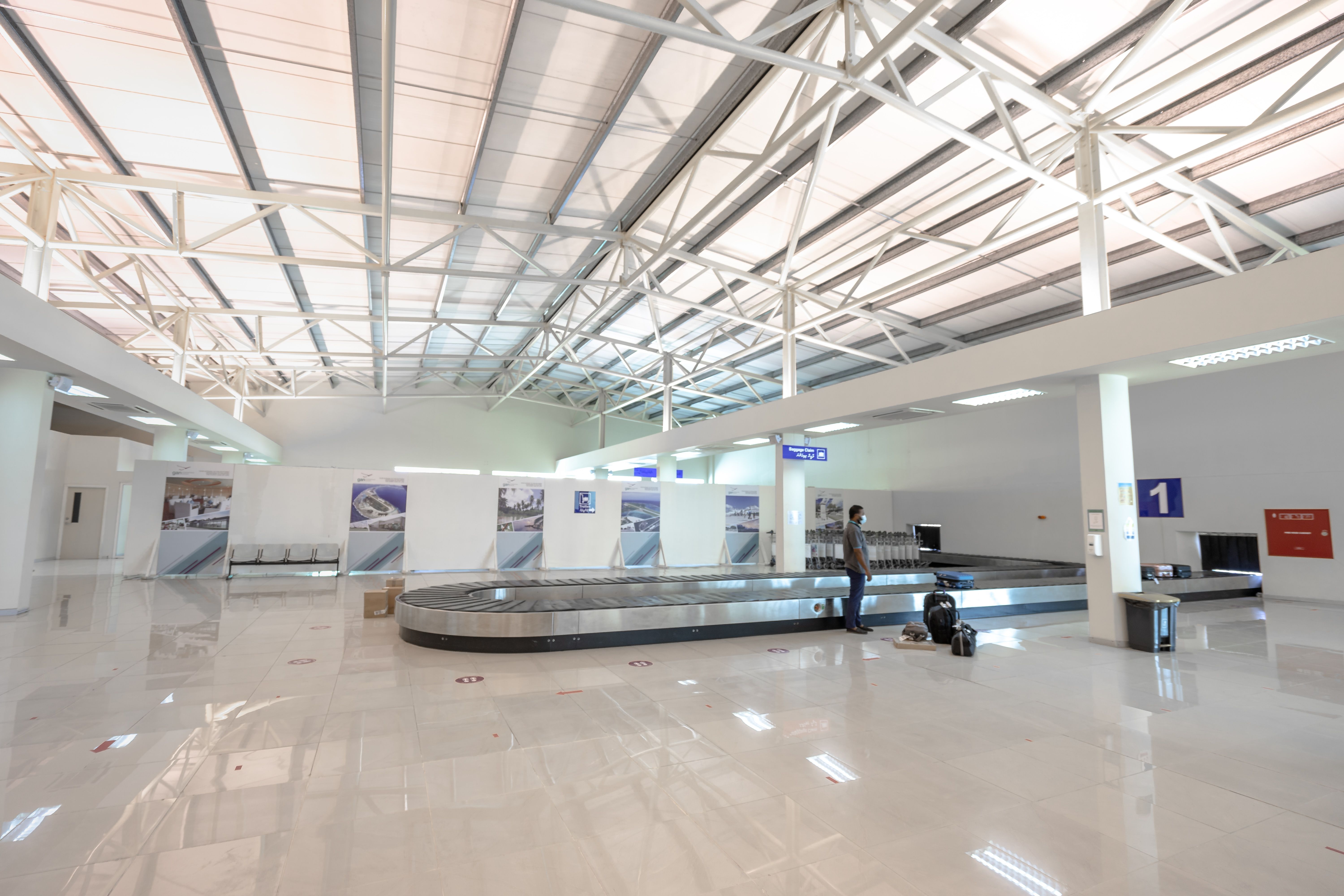
The carrier's baggage service office sits on the lower level of BNA, near carousel 1 for Southwest and carousel 5 for American and Delta. File your initial report there before leaving the airport, even if the agent promises the bag will arrive on the next flight. That paper trail establishes the loss date, and the clock on your 24-hour damage reporting window begins the moment the bag is delivered, not when you first notice something missing.
Southwest publishes its customer service plan online, including the claim submission portal and a worksheet for itemizing contents.[3] The worksheet asks for brand, purchase date, and condition, but most travelers skip the depreciation column or underestimate replacement cost. A three-year-old laptop is not worth $50; even with depreciation, federal guidelines recognize reasonable value based on remaining useful life. Submit receipts if you have them, but contemporaneous credit card statements, photos of the items in use, or even product pages showing current retail prices will support the claim if the carrier challenges your figures.
For international itineraries, the 21-day written notice requirement under the Montreal Convention becomes critical. Miss that deadline and the airline can deny the claim outright, regardless of how well documented your loss may be. Tennessee travelers returning from European or Caribbean routes often assume domestic timelines apply, then lose thousands because they waited for the bag to be declared permanently lost before submitting a formal claim letter.
Where Nashville Baggage Claims Go Wrong
Three failure modes account for nearly every underpaid BNA claim. First, travelers treat the initial report as the final claim and never follow up with a detailed inventory. The agent who logs your missing bag at the airport is not adjudicating your compensation; that happens weeks later in a claims processing center, where your vague two-sentence description competes with complete inventories from travelers who know the rules.
Second, delayed bags create confusion around the damage reporting window. If your suitcase arrives 72 hours late with a cracked handle and wet clothing, you have 24 hours from delivery to report the damage in writing. Calling the 1-800 number does not count; the carrier needs a written record, either through the online portal or via email with photos attached. Travelers who rely solely on phone calls discover months later that the claim was never opened because no documentation exists.
Third, weather-related disruptions trigger a misunderstanding about liability. A tornado warning that grounds flights at BNA does not suspend the airline's duty to deliver your bag intact. Carriers remain liable for lost or damaged luggage even when the initial delay stems from weather, and gate agents who suggest otherwise are conflating delay compensation rules with baggage liability, which are governed by separate regulations.
Southwest, American, and Delta Baggage Policies at BNA
All three carriers post customer service commitments that meet or exceed DOT minimums, but the claims experience varies. Southwest processes most BNA baggage claims within 30 days and offers interim expense reimbursement for essential purchases, capped at $50 per day for the first five days. American and Delta require itemized receipts for interim expenses and rarely approve more than $150 total unless the delay extends beyond a week.
Permanent loss declarations follow similar timelines across carriers: 30 days for domestic routes, 21 days for international. Once the bag is declared lost, you have 45 days to submit a final claim with complete inventory and documentation. The carriers calculate depreciation using IRS guidelines, which means clothing loses roughly 25 percent of value per year and electronics depreciate faster. A $1,200 camera purchased four years ago may be valued at $400, but the burden is on you to prove original cost and condition before the airline will pay anything.
Steps to Maximize Your BNA Baggage Claim
Before you leave the baggage service office, photograph your claim receipt and ask the agent to note any identifying features of your bag in the system: brand, color, size, and any damage that existed before the loss. Request the agent's name and the claim reference number, then set a calendar reminder for 24 hours after the bag is delivered or declared lost. That window is your only chance to report concealed damage, such as broken zippers, cracked laptop screens, or crushed medication bottles that were not visible when the bag arrived.
Build your inventory the same day you file the initial report. Walk through every compartment mentally and list items by category: electronics with model numbers, clothing by type and brand, toiletries with approximate purchase dates, and accessories down to charging cables and adapters. Pull up your credit card statements from the month before travel to jog your memory, and screenshot product pages for items you no longer have receipts for. The carrier will apply depreciation, but you set the baseline replacement cost, and a $900 item depreciated to $600 is still better than a $100 settlement because you wrote "miscellaneous electronics."
Submit your detailed inventory through the carrier's online portal within seven days of filing the initial report, and follow up by email with the claim reference number in the subject line. If the carrier offers a settlement that seems low, reply within 48 hours with a breakdown of how you calculated each item's value and ask for a line-by-line explanation of their depreciation. Most Nashville travelers accept the first offer without question, leaving thousands on the table. When a claim is denied or underpaid and the gap exceeds $1,000, RecoverAir's baggage specialists escalate to the DOT and state regulatory contacts, applying pressure that individual travelers rarely achieve on their own.
What You Can Recover Beyond the Bag Itself
The $3,800 cap covers everything that was inside the bag, not just the suitcase. Prescription glasses, over-the-counter medication, jewelry below the declared-value threshold, work documents, even a child's car seat checked at the gate all qualify. Interim expenses for replacement clothing and toiletries are separate and reimbursable up to the carrier's daily cap, so keep every receipt from the first five days and submit them alongside your final inventory.
Emotional distress and inconvenience are not compensable under federal baggage rules, and Tennessee courts have consistently rejected attempts to recover punitive damages for lost luggage absent evidence of willful misconduct. The recovery is purely economic: what it costs to replace what was lost, subject to reasonable depreciation. That still means a well-documented claim from a Nashville business traveler with a laptop, projector, and two suits can approach the $3,800 ceiling, while a vacationer with swimwear and sandals may recover $400.
The Memphis lawyer who lost her conference materials eventually reopened her claim with a detailed inventory and receipts pulled from archived emails. Southwest revised the settlement to $2,100, still short of the laptop's replacement cost but far better than the initial $300. She learned the rule too late to capture the full $3,800, but early enough to recover what mattered. Nashville travelers who know the ceiling before they file rarely leave money behind.
Sources and references
- U.S. DOT Final Rule on automatic refunds
- Southwest customer service plan
- U.S. DOT baggage liability rules
- Montreal Convention Article 22