Nashville hotel dispute recovery starts the moment you spot an unauthorized charge, arrive to find your confirmed reservation canceled, or discover a Downtown or Music Row property has refused a refund you're entitled to receive. Tennessee consumer protection law gives you multiple avenues to recover funds, from direct hotel negotiation to credit card chargebacks and state regulatory complaints.[1] Most travelers succeed by acting within 60 days of the disputed transaction and documenting every interaction with photos, emails, and receipts. Whether you're dealing with a major chain property on Broadway or an independent boutique near Vanderbilt, the process follows the same essential steps, and knowing your rights under Tennessee law can mean the difference between losing hundreds of dollars and getting every cent back.
How to Dispute a Nashville Hotel Overcharge
Contact the hotel's front desk or billing department immediately when you notice an incorrect charge. Request an itemized invoice showing every fee, tax, resort charge, incidental hold, and room rate applied to your account. Many overcharges stem from unreleased incidental holds, duplicate room charges, or unauthorized minibar fees that staff can reverse on the spot.
Document your original reservation confirmation, any rate guarantees, and promotional codes you applied at booking. If the hotel advertised a $150 nightly rate but charged $220, screenshot the original listing and email it to the general manager with a formal dispute letter. Properties affiliated with Marriott, Hilton, or Omni typically respond within 48 hours when you escalate through their corporate guest services departments.[3]
File a credit card chargeback if the hotel refuses to correct the billing error within seven business days. Contact your card issuer's dispute department, reference the transaction date and amount, and submit your documentation showing the agreed rate versus what you were charged. The Fair Credit Billing Act gives you 60 days from the statement date to initiate a chargeback, and issuers must investigate within two billing cycles.[1] Our credit card travel benefit claims tool can help you identify which disputes qualify for immediate reversal.
What to Do When a Downtown Nashville Hotel Walks You
Being walked means the hotel sold your confirmed reservation to another guest, leaving you without a room despite having a valid booking. Tennessee hospitality industry standards require properties to arrange and pay for comparable or superior accommodations when they walk a guest, though this is industry practice rather than codified state law.[2]
Demand immediate relocation to a nearby hotel of equal or better quality at the property's expense. The walking hotel should cover your first night, arrange and pay for transportation to the alternate property, and provide a direct phone number for the manager who authorized the walk. Major chains like Marriott and Hilton typically honor these commitments, but independent properties may resist paying for your alternate lodging.
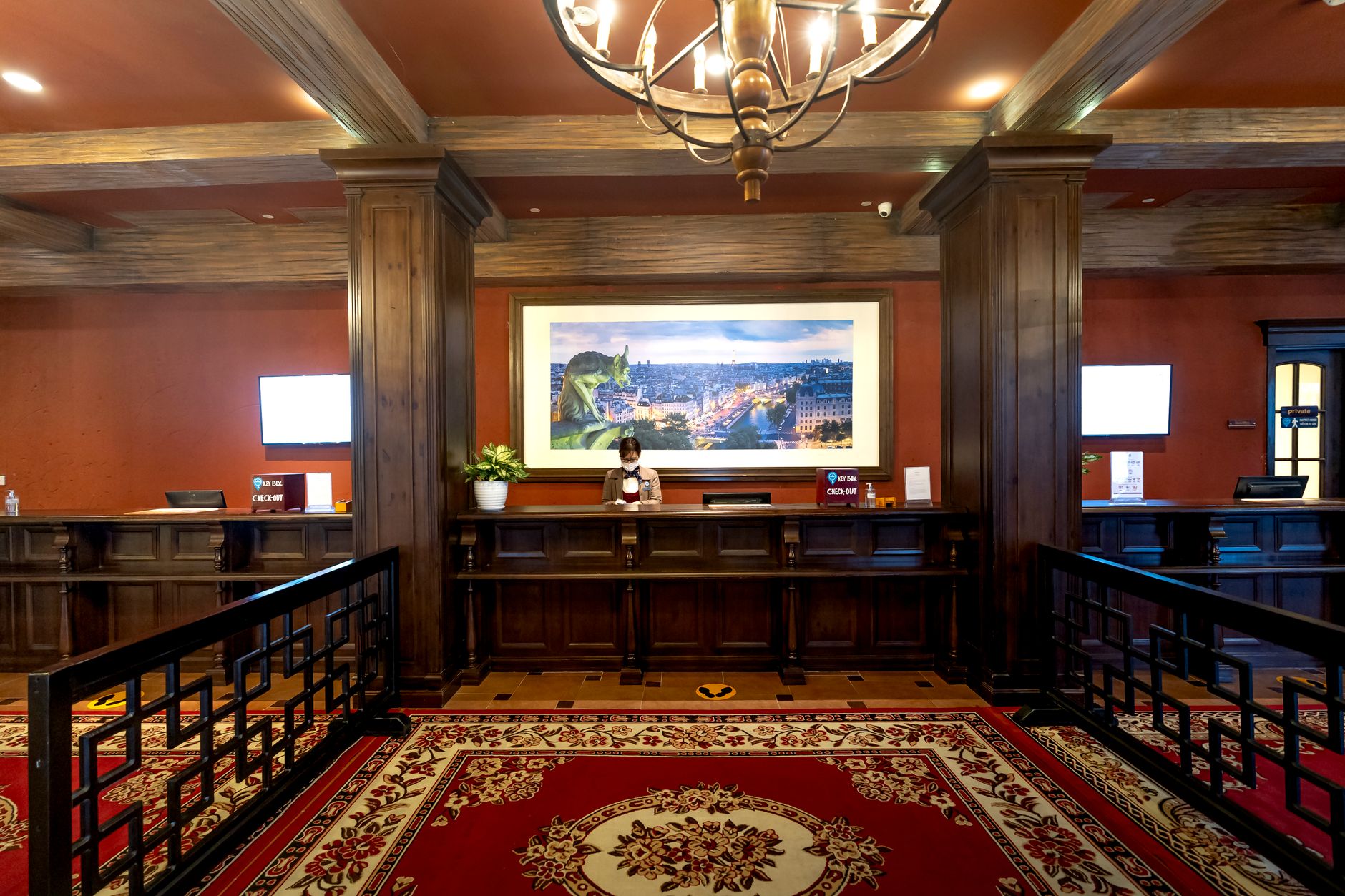
Refuse to leave the property until management provides written confirmation of where you'll stay and who is paying for it. Take photos of the front desk interaction, record names of all staff involved, and document the time you arrived with your confirmation number visible. Use our hotel overbooking compensation guide to calculate what you're owed beyond just the replacement room cost.
Understanding Music Row Hotel Refund Policies
Music Row properties operate under the same Tennessee consumer protection framework as downtown hotels, but boutique and independent properties often enforce stricter cancellation terms. Review your booking confirmation for the cancellation deadline, which typically ranges from 24 hours to 14 days before arrival depending on seasonality and room type. Many Music Row hotels implement rigid no-refund policies during CMA Fest, New Year's Eve, and major convention weeks when demand peaks.
Contact the hotel directly before disputing through third parties if you need to cancel within the penalty window. Explain extenuating circumstances such as medical emergencies, natural disasters, or employer-mandated travel changes that prevented your visit. Properties like those near the historic RCA Studio B often grant courtesy cancellations when you provide documentation such as doctor's notes, death certificates, or airline cancellation confirmations showing force majeure events.
Escalate to your booking platform if the hotel refuses a reasonable refund request. OTAs like Expedia and Booking.com maintain separate customer service teams that can pressure properties to issue credits or partial refunds, especially when the hotel misrepresented amenities or room conditions. Submit your case through the platform's resolution center within 24 hours of check-in or the scheduled arrival date. Our OTA recovery service specializes in disputes where the booking agent and property each claim the other controls refund authority.
Tennessee Consumer Protection Laws for Hotel Disputes
The Tennessee Consumer Protection Act prohibits deceptive trade practices, including false advertising of hotel rates, undisclosed mandatory fees, and bait-and-switch room assignments. Hotels cannot advertise a rate that excludes mandatory charges like resort fees or parking unless those fees are disclosed in the same size font as the nightly rate.[1] Properties that violate these standards face penalties through the Tennessee Department of Commerce and Insurance.
File a formal complaint with the state when a Nashville hotel engages in fraudulent billing, refuses to honor confirmed reservations without walking compensation, or advertises amenities that don't exist. The Department of Commerce and Insurance investigates hospitality complaints and can compel properties to issue refunds, though the process typically takes 45 to 90 days.[2] State intervention works best for pattern complaints involving multiple guests rather than isolated billing errors.
Your Rights Under Tennessee Hospitality Standards
- Rate transparency: All mandatory fees must appear before final purchase, not at check-in
- Reservation integrity: Confirmed bookings cannot be canceled without guest consent or walking compensation
- Advertised amenities: Pools, parking, breakfast, and WiFi shown in listings must be available as described
- Billing accuracy: Charges must match the agreed rate and itemized folio provided at checkout
- Incidental holds: Unreleased holds must be returned within seven business days after departure
How Nashville Hotel Chargebacks Work
Credit card chargebacks reverse unauthorized or fraudulent hotel charges by pulling funds from the merchant's account and crediting yours. Initiate a chargeback within 60 days of the statement date showing the disputed transaction. Contact your card issuer's dispute hotline, reference the merchant name exactly as it appears on your statement, and explain whether the charge involves services not rendered, duplicate billing, or amounts exceeding your authorization.
Submit comprehensive evidence including your original booking confirmation, correspondence with hotel staff, photos of room conditions if relevant, and receipts showing the rate you agreed to pay. Card networks require merchants to respond within 30 days with proof that the charge was valid. Hotels often cannot defend chargebacks when guests provide timestamped emails showing unresolved billing disputes or documented walking incidents without compensation.
Step by Step Nashville Hotel Dispute Recovery Process
Begin recovery within 24 hours of discovering the problem by contacting the hotel's front desk manager or director of operations. State your issue clearly, reference your confirmation number, and request immediate resolution with a specific deadline such as "I need this corrected by 5 p.m. today" or "Please issue the refund within 48 hours." Front desk staff can reverse most billing errors, release incidental holds, and authorize partial refunds without escalating to corporate offices.
Escalate to corporate guest relations if the property manager refuses your request or misses your deadline. Major chains maintain dedicated resolution teams reachable through their websites, mobile apps, or toll-free guest services numbers. Submit your complaint in writing through the brand's online portal and attach all supporting documentation including booking confirmations, photos of billing statements, and email threads showing your attempts to resolve directly with the property. Corporate teams typically respond within three business days and can override local management decisions.
File your credit card dispute simultaneously if 48 hours pass without resolution. Call the number on the back of your card, navigate to the disputes department, and provide the transaction details along with your evidence. Most issuers grant provisional credits within 10 business days while they investigate, protecting your account from interest charges on the disputed amount. Track your dispute through your card issuer's mobile app and respond immediately to any merchant rebuttals with additional evidence. Our credit card claims tool identifies which evidence categories strengthen your case and which disputes your issuer is most likely to approve.
What You Can Recover in Nashville Hotel Disputes
Successful disputes recover the full overcharge amount, including unauthorized room charges, undisclosed resort fees, duplicate billing, and unreleased incidental holds. Travelers routinely win chargebacks for differences between advertised rates and actual charges, especially when hotels add mandatory fees not disclosed at booking. Walking compensation can include your first night at the alternate hotel, round-trip transportation costs between properties, and any rate difference if the replacement room costs more than your original reservation.
Tennessee consumer protection law does not mandate punitive damages for hotel billing errors, but some credit card issuers provide additional statement credits when merchants fail to respond to dispute investigations. Properties that repeatedly violate advertising standards face regulatory penalties through state agencies, though individual guests receive only the disputed transaction amount rather than statutory damages.[2]
Nashville hotel dispute recovery succeeds when you document everything, act within 60 days, and use every tool from direct negotiation to state complaints and credit card chargebacks. The combination of Tennessee consumer protections and federal billing rights gives you multiple paths to recover funds, and most cases resolve within 45 days when you follow the proper escalation sequence.
Sources and references
- Tennessee Consumer Protection Act
- TN Department of Commerce and Insurance
- Marriott/Hilton/Omni Nashville