A Stamford marketing director lost $4,200 in formal wear when her checked bag disappeared on a Southwest flight out of Bradley International last December. The airline's initial offer was $850. After she inventoried each damaged or missing item with receipts and filed a supplemental claim within 24 hours, Southwest settled for $3,650. Most travelers leaving Bradley International (BDL) accept the first offer, unaware that domestic flights trigger Department of Transportation liability up to $3,800 per passenger, while international itineraries fall under the Montreal Convention ceiling of roughly $1,700. The difference between those figures and what airlines initially propose is where lost baggage Hartford airport cases are won or abandoned.
The Liability Ceiling That Applies to Every BDL Departure
Federal regulation establishes strict minimum liability for checked baggage on all flights originating in the United States. For domestic routes, carriers are liable for up to $3,800 per passenger for lost, damaged, or delayed bags[1]. International flights operate under the Montreal Convention, which sets liability at approximately 1,288 Special Drawing Rights (currently about $1,700 USD, fluctuating with exchange rates). These figures represent the maximum recovery ceiling, not an automatic payout. Travelers must prove the value of what was lost, and that proof must be submitted within narrow procedural windows that most passengers miss.
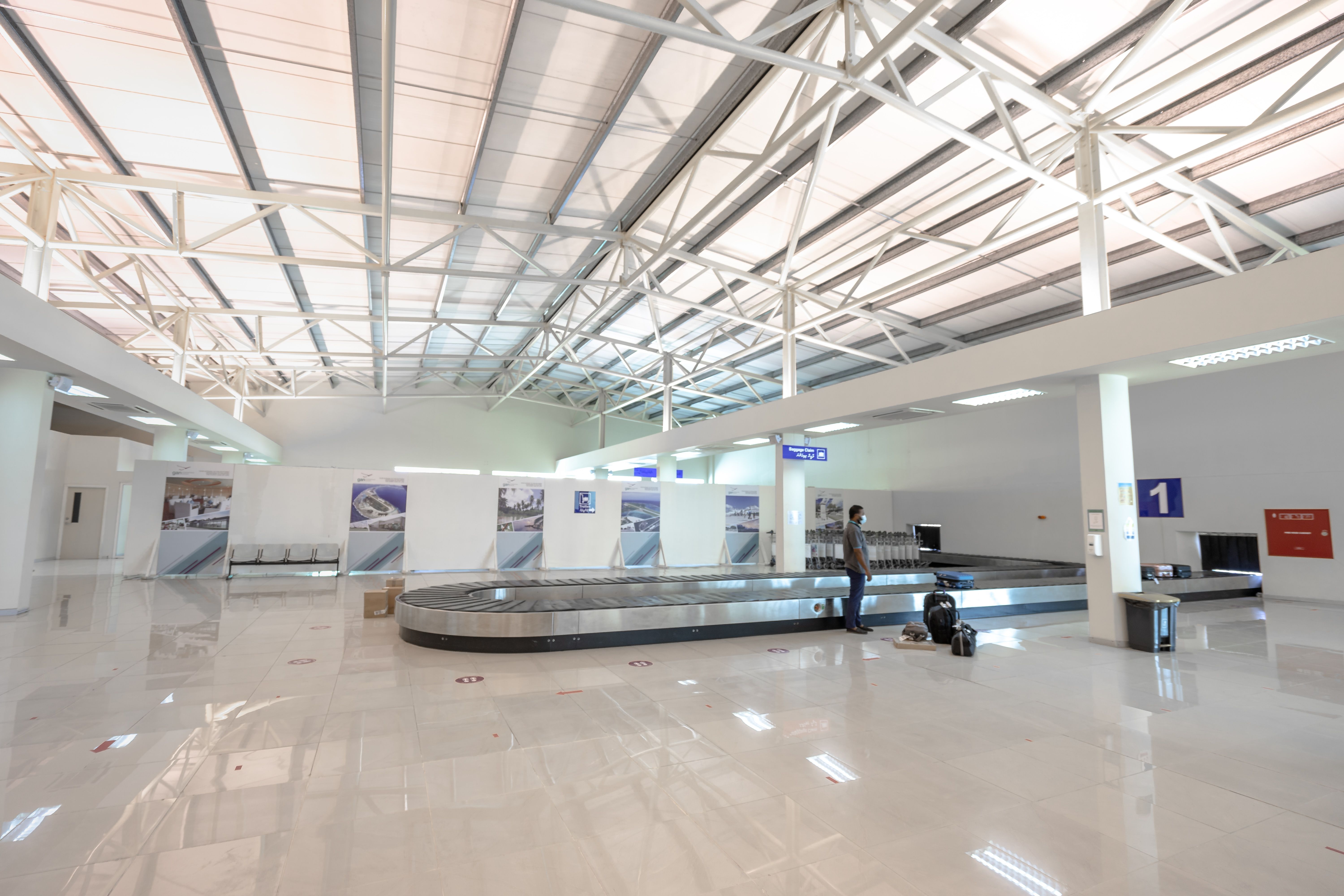
Southwest, American, and Delta each handle BDL lost baggage Hartford airport claims slightly differently, but all three begin with a property loss report filed at the airport or online within four hours of arrival. Southwest processes most Bradley claims through its baggage service office near carousel 1. American routes claims through a centralized hub. Delta offers an online portal but still requires in-person documentation for high-value items. The carrier's internal timeline typically allows 5 to 21 days for a bag to be located; if the bag remains missing after 21 days, it is declared lost and the liability clock starts.
Connecticut travelers often conflate trip interruption coverage in their travel insurance policy with baggage liability. Those are separate frameworks. Travel insurance policies cover trip costs and some personal effects, but baggage liability is governed by DOT rules and international treaty, not your policy. The Connecticut Insurance Department[2] regulates insurance claims but has no jurisdiction over airline baggage liability, which is a federal matter. Knowing which framework applies determines whether you file with your insurer, the airline, or both.
Weather, Reroutes, and the 24-Hour Inventory Rule
Bradley's position in the Northeast corridor means winter weather delays are routine, and delayed bags are common collateral. Weather does not exempt the airline from liability. If your bag is lost, damaged, or delayed more than 12 hours on a domestic flight, the carrier owes you reimbursement for reasonable interim expenses (toiletries, clothing) and, if the bag is never found, compensation up to the $3,800 ceiling. The airline's liability begins when you check the bag and ends when you recover it or receive settlement.

The most common mistake is failing to document contents within 24 hours. Airlines require a detailed inventory of lost items, including estimated value and, where possible, proof of purchase. Southwest's customer service plan[3] explicitly states that late or incomplete inventories reduce settlement offers. A vague list ("clothes, shoes, toiletries") will be valued at the airline's depreciated replacement cost, usually 30 to 50 percent of retail. A line-item inventory with receipts, brand names, and purchase dates commands full replacement value. RecoverAir's baggage recovery service specializes in reconstructing inventories from credit card statements and online order histories when travelers no longer have receipts, a service that standard travel insurance and airline customer service desks do not provide.
Filing a Claim at BDL: The First Four Hours Matter Most
Bradley International operates a centralized baggage service office on the arrivals level, but each carrier maintains separate claim procedures. The moment you realize your bag is missing, file a Property Irregularity Report (PIR) before leaving the airport. Most airlines require this report within four hours of your scheduled arrival. Southwest's BDL office accepts walk-ins until the last flight of the day lands; after hours, you must file online, but that digital submission carries less weight in disputes than an in-person report with a paper trail.
The PIR generates a reference number that anchors every subsequent communication. Photograph your baggage claim ticket, the PIR, and any temporary expense receipts (hotel toiletries, replacement clothing) you accumulate while waiting. These interim expenses are recoverable up to reasonable limits, typically $50 to $150 per day on domestic flights, but only if documented. American and Delta both reimburse interim expenses separately from the final settlement, so submit those receipts within seven days even if your bag later appears.
Once the PIR is filed, you have 24 hours to submit a detailed inventory. This is not a courtesy reminder; it is a contractual deadline. Airlines interpret late inventories as evidence that the loss was not significant, and settlement offers drop accordingly. For business travelers, this window often closes while you are still in meetings. A structured recovery playbook for the first 24 hours can preserve your claim value when you cannot afford to spend the day reconstructing receipts.
Common Pitfalls That Slash Settlement Offers in Half
Three mistakes account for most underpaid BDL lost baggage claims. First, travelers accept the initial offer without negotiation. Airlines open with a lowball figure, expecting you to either accept or abandon the claim. A $3,800 ceiling means little if you settle for $600. Second, passengers fail to declare high-value items at check-in. Jewelry, electronics, and collectibles require advance declaration and often an additional fee; without that declaration, the airline's liability drops to $500 or less for those categories. Third, claimants conflate trip delay reimbursement (from their credit card or travel insurance) with baggage liability (from the airline). You may be entitled to both, but the claim forms, deadlines, and proof requirements differ.
Here is what strengthens a BDL baggage claim:
- Itemized inventory with brand names, purchase dates, and condition. "Black suitcase with clothes" will be valued at thrift store rates. "Samsonite Winfield 2, purchased May 2024, containing three Brooks Brothers dress shirts (tags still attached)" commands replacement cost.
- Receipts or credit card statements. Digital receipts from Amazon, Macy's, or other retailers provide timestamps and exact values that override the airline's depreciation tables.
- Photos of the bag and its contents. Taken before departure, these images prove both ownership and condition, making it harder for the airline to argue pre-existing damage.
- Documentation of interim expenses. Keep every receipt for replacement items purchased while waiting, and submit them within seven days.
Travel insurance policies rarely cover the full $3,800 domestic ceiling. Most cap baggage reimbursement at $500 to $1,000 per person, and they require you to exhaust the airline's liability first. Understanding why travel insurance claims get denied helps you decide whether to file with your insurer at all, or focus exclusively on the airline.
When Standard Airline Claims Processes Fail
Southwest, American, and Delta each offer online claim portals, but those portals are designed to minimize payouts, not maximize your recovery. The forms prompt you for vague descriptions and steer you toward quick, low settlements. If your initial claim is denied or undervalued, you have 30 days to appeal with additional documentation. Most travelers do not appeal, assuming the first answer is final. It is not. Airlines settle at higher amounts when faced with detailed appeals that cite specific DOT regulations and include forensic documentation.
Denied or underpaid claims often hinge on procedural missteps rather than the merits of the loss itself. Filing deadlines, missing receipts, and incomplete inventories account for more claim failures than disputed valuations. When a claim stalls, RecoverAir's baggage specialists reconstruct the documentation, file supplemental evidence, and negotiate directly with carrier claim departments, a level of intervention that standard travel insurance concierge services do not provide.
Steps to Recover Full Value After a BDL Baggage Loss
Begin with the Property Irregularity Report filed at Bradley within four hours, then immediately photograph every page of the report and your baggage claim ticket. Open a dedicated folder on your phone or laptop for this claim; you will add to it over the next three weeks. Within 24 hours, draft your itemized inventory. Start with high-value items first (electronics, formal wear, specialized equipment), then work backward through everyday clothing and toiletries. For each item, note the brand, purchase date, condition, and replacement cost. If you no longer have receipts, log into your email and search for order confirmations from Amazon, Target, Nordstrom, or any retailer where you purchased the items. Credit card statements provide another layer of proof; download the last 12 months and highlight relevant transactions.
Submit this inventory directly to the carrier's baggage claim department using the reference number from your PIR. Do not rely solely on the online portal; send a follow-up email with PDF attachments and request written confirmation of receipt. Track every communication in a spreadsheet: date, time, method (phone, email, in-person), representative name, and outcome. Airlines close claims when travelers stop responding, so reply to every request for additional information within 48 hours. If 21 days pass without resolution, escalate to the carrier's customer relations department and copy the DOT Aviation Consumer Protection Division. Connecticut travelers can also contact the Connecticut Insurance Department[2] for guidance, though the department cannot compel airline settlements.
For complex claims involving business equipment, wedding attire, or losses exceeding $2,000, Bradley-specific recovery processes benefit from professional advocacy. Carriers reduce settlement offers when they detect procedural uncertainty or incomplete documentation, and most travelers lack the time to manage a multi-week appeal while traveling or working.
What You Can Recover Beyond the Checked Bag
Lost baggage liability extends beyond the suitcase itself. Reasonable interim expenses, replacement clothing, toiletries, medication, are recoverable if documented and submitted within seven days. Southwest and Delta typically reimburse $50 to $150 per day for domestic trips; American caps interim expenses at $100 per day. These reimbursements are separate from your final settlement, so file them even if your bag later reappears. Damaged contents inside a returned bag also qualify for compensation; inspect everything before signing the delivery receipt, because signatures waive future damage claims.
That Stamford marketing director recovered $3,650 not by luck but by documentation. She knew the ceiling, met the deadlines, and refused the opening offer. Hartford travelers who treat baggage claims as negotiable rather than final recover thousands more than those who accept the first number and move on.
Sources and references
- U.S. DOT Final Rule on automatic refunds
- Southwest customer service plan
- U.S. DOT baggage liability rules
- Montreal Convention Article 22