Travelers involuntarily bumped from flights at Ronald Reagan Washington National Airport often walk away having accepted far less than federal rules actually require. Washington denied boarding compensation is not a favor an airline chooses to extend; it is a legal entitlement with a specific ceiling, a specific timeline, and specific conditions that airlines are not always eager to volunteer at the gate. The gap between what a carrier hands you and what you are genuinely owed can be significant, and understanding that gap before you leave the terminal is the difference between a recovered trip and a loss you carry home.
What the Federal Bumping Rule Actually Says
The governing framework is U.S. DOT 14 CFR Part 250, and it applies to every domestic flight departing DCA on American, Delta, Southwest, or any other covered carrier. When a passenger is involuntarily denied boarding because an airline oversold the flight, not because of a safety issue or something the traveler did, the carrier is required to provide a written statement of rights and to offer an alternate flight along with cash compensation.[1] The word "cash" matters here. Airlines frequently offer vouchers first, and many travelers accept them without realizing that involuntary bumping triggers an entitlement to actual money.
The compensation formula turns on how long the delay lasts before the airline gets you to your destination on a replacement flight. A short delay triggers one level of payment; a longer delay triggers a higher one. The DOT rule sets a hard ceiling at $1,550 per passenger for the most severe delays, and that figure applies regardless of what the original ticket cost.[1] A family of four bumped from a holiday morning departure out of DCA could collectively be owed several times the cost of the flights themselves. Yet the typical gate interaction does not open with that arithmetic.
The rule does not require you to negotiate. It requires the airline to comply. The difference is not semantic; it is the difference between asking for something and being owed it.
The 200% Rule and Why Airlines Count on Your Not Knowing It
The compensation structure is sometimes called the "200% rule" because the middle tier of the formula pays you 200% of your one-way fare to your final destination, capped at $775, when the alternate flight arrives between one and two hours late domestically. At the higher tier, for delays beyond two hours, that figure doubles to 400% of the one-way fare, capped at $1,550.[1] These percentages are written into federal regulation, not airline policy, which means the carrier cannot simply waive them or replace them with a travel credit unless you voluntarily agree to accept something less.
Voluntary bumping is a different situation entirely. When an airline asks for volunteers before the gate closes and a traveler accepts a deal, the terms of that agreement govern; federal minimums do not apply because the traveler consented. The critical distinction is whether the airline removed you from the flight or whether you agreed to step aside, and carriers at DCA have occasionally framed an involuntary bump as a voluntary one in the paperwork. If you did not raise your hand, the involuntary rule applies, and you have grounds to pursue the full entitlement. For travelers unsure where their situation falls, RecoverAir's flight claims service can review the documentation and identify which tier applies.
What Happens at the Gate and Where the Process Goes Wrong
The moment an airline announces it is looking for volunteers, the clock starts on a sequence that most travelers navigate without any preparation. At DCA, American in particular operates a hub schedule dense enough that oversales on popular morning departures are not unusual. The gate agent's first move is almost always to seek volunteers, and the offer on the table often sounds generous in the moment: a travel credit, a meal voucher, a hotel if the delay runs overnight. What the announcement rarely includes is any mention of the involuntary compensation scale waiting behind door two.
If the flight closes without enough volunteers, the airline selects passengers to remove. At that point, federal rules require the carrier to hand you a written statement explaining your rights before any compensation is offered.[1] That document is your anchor. It should arrive before the airline presents a check or a voucher for your signature. If an agent asks you to sign anything before you have read the rights notice, pause. What you sign in that moment can determine whether you keep the right to pursue additional compensation or surrender it for a travel credit worth a fraction of what the rule allows.
For a clear account of how to move through the first hours after a flight disruption, the guide on recovering when a flight falls apart lays out the sequence in plain terms.
Common Reasons a Denied Boarding Claim Gets Rejected
Airlines do not always deny claims outright. More often, they shape the narrative in ways that shift the situation from involuntary to voluntary, or they point to an exclusion that sounds authoritative but may not hold up under scrutiny. The most common grounds for rejection include:
- Reframing the bump as voluntary. If any agent asked whether you would accept alternate travel and you responded at all, the carrier may treat that exchange as consent, even if no formal agreement was reached.
- Safety or operational claims. Aircraft substitutions, weight and balance adjustments, or crew limitations can be invoked to remove passengers outside the overbooking framework, which exempts the airline from the compensation formula.
- Check-in timing disputes. The DOT rule requires passengers to have met the carrier's check-in deadline. If the airline records you as late to the gate, even by minutes, it can deny the claim on procedural grounds.
- Accepting a voucher without noting the reservation. Once you sign for a voucher and board the alternate flight, the paper trail may show consent rather than compulsion, making a later cash claim difficult to press.
Each of these denials has a rebuttal grounded in documentation. Boarding pass records, gate agent logs, and the written rights notice the airline is required to provide can each work in a traveler's favor.[1] The research on Washington missed connection recoveries shows that documentation collected at the gate, not reconstructed later, is consistently what separates successful appeals from closed cases.
Who This Rule Covers and One Group It Does Not
The involuntary bumping rule covers virtually every traveler on a domestic itinerary departing DCA on a carrier operating aircraft with more than thirty seats. Virginia residents flying American, Delta, or Southwest on an oversold departure are covered by federal rule, not state insurance law, so the Virginia Bureau of Insurance is not the authority here.[2] The rule does not cover travelers who were removed for behavior, security reasons, or failure to meet documentation requirements. Weather cancellations sit in a separate category entirely; a flight canceled for weather is not an oversale, and the compensation formula does not apply to that situation.
Taking Action Before You Leave the Terminal
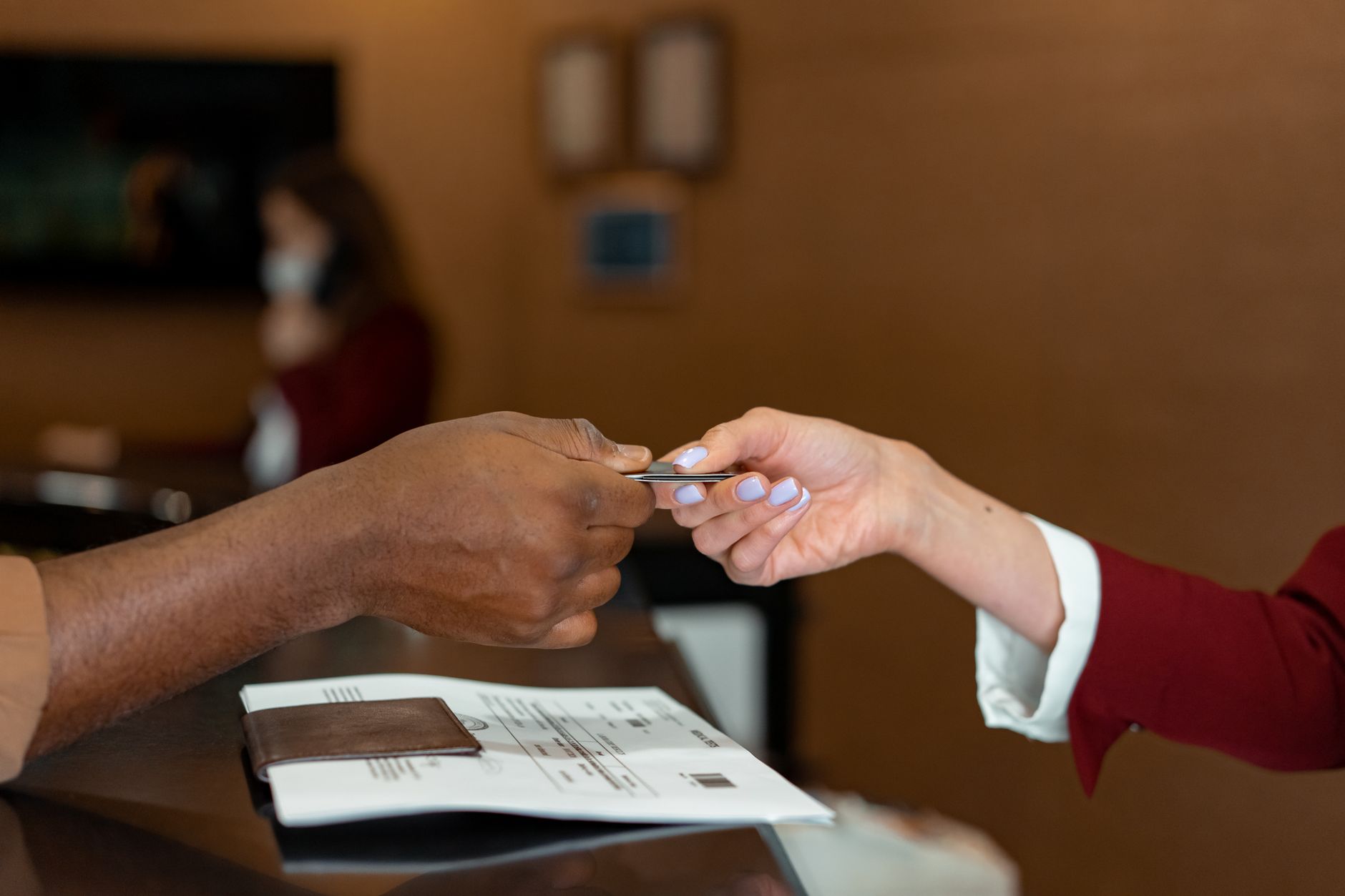
The single most consequential thing a bumped traveler can do happens in the minutes immediately after the gate agent confirms the removal. Ask for the written statement of rights before you discuss any compensation figure. Federal rules require the airline to produce that document, and having it in hand establishes the baseline for everything that follows.[1] Photograph your boarding pass, the departure board showing the original flight, and any paper the agent hands you. These are not precautions for worst-case scenarios; they are the record that makes a claim provable rather than anecdotal.
Once you have that documentation, compare the alternate flight's arrival time against your original scheduled arrival. That gap is what determines your compensation tier under the federal formula. If the airline presents a voucher before naming a specific cash figure, you are not obligated to accept it. Ask explicitly whether the situation qualifies as an involuntary denied boarding under DOT rules, and note the agent's response. If the conversation at the gate ends without resolution, or if you accept a voucher under pressure and later realize you may have been entitled to more, the window to file a formal claim or appeal does not close at the terminal door.
For travelers who have already left DCA and are now looking at a denial letter or a voucher that may not reflect the full entitlement, RecoverAir handles the claims and appeals process directly, reviewing gate documentation and pressing for the compensation the federal rule actually requires. The guide on Washington area travel dispute recovery also covers what to do when a disruption cascades across more than just the flight itself.
What a Successful Recovery Actually Looks Like
A resolved denied boarding claim means the airline pays cash at the applicable tier, provides written confirmation of the payment basis, and the traveler boards an alternate flight without having surrendered future rights through an imprecise signature. That is the clean outcome. In practice, many DCA travelers avoid that outcome entirely by knowing, before any agent approaches them, that the involuntary formula exists and that vouchers are not its equivalent.
Knowing the rule also changes the voluntary bumping negotiation. An airline's opening offer is calibrated against what most travelers will accept without pushback. A traveler who understands that the involuntary tier starts at $775 and climbs to $1,550 is negotiating from a different position than one who does not.[1] That knowledge is the real asset, and it costs nothing to carry onto the plane.
Federal compensation rules exist because Congress decided travelers should not have to negotiate for what they are already owed. The airline knows the rule. Now you do too.
Travelers bumped at DCA are standing on firmer legal ground than most of them realize in the moment. The federal framework is clear, the entitlements are specific, and the documentation to support a claim is almost always within reach at the gate. Knowing what the rule says, and acting on it before leaving the terminal, is what turns a frustrating disruption into a fully recovered trip.
Sources and references
- U.S. DOT Final Rule on automatic refunds
- American customer service plan