A three hour delay on an American evening departure from Raleigh means a missed hotel check-in, a scrambled rental car reservation, and often a customer service agent offering meal vouchers when what you really need is Raleigh flight delay compensation under federal rules that took effect in October 2024. Many travelers walk away from Raleigh-Durham International without knowing that significant delays now trigger mandatory cash refunds, not future credits, and that the calculation begins the moment the delay crosses a specific threshold. The math is precise, the obligation is automatic, and the window to claim it starts before you've left the gate.
When the Clock Starts on Your RDU Refund
Under the U.S. Department of Transportation's 2024 automatic refund rule, a domestic flight delayed three hours or more qualifies for a full cash refund of the unused portion of your ticket, regardless of the reason for the delay.[1] This protection applies to every carrier operating at RDU, including American, Delta, and Southwest. The rule eliminates the old patchwork of airline-specific policies and replaces them with a uniform federal standard: if the delay is significant, the refund is yours.
Travelers who accept a rebooked flight waive the refund, so the decision point arrives while you're still at the gate. An agent may offer a meal voucher, a later departure on the same airline, or a standby seat on a partner carrier. Each option forfeits your right to the cash refund. The calculation is straightforward: compare the cost of your original ticket, the value of any replacement itinerary the airline offers, and the expense of arranging your own alternative. If your schedule cannot absorb a three hour shift, the refund may fund a same-day ticket on another carrier or cover the gap between a discounted advance purchase and a last-minute walk-up fare.
Weather is the most common excuse airlines cite, but the DOT rule does not include a weather exception.[1] A thunderstorm over RDU triggers the same refund obligation as a mechanical issue or a crew shortage. The airline's explanation matters for its own operational reporting, but not for your right to a cash refund. RecoverAir's flight disruption recovery service tracks these thresholds automatically and files the claim on your behalf when the delay crosses into refund territory.
What American's Customer Service Plan Adds at Raleigh
American operates the largest share of flights at RDU and publishes a customer service plan that layers additional commitments on top of federal minimums.[3] The plan guarantees meal vouchers for delays of three hours or more when the cause is within the airline's control, and hotel accommodations plus ground transportation for delays that push a departure past midnight. These benefits do not replace your refund right; they supplement it, and accepting a meal voucher does not waive your claim to cash if the delay remains significant when departure finally occurs.
The distinction between controllable and uncontrollable delays matters for these extra benefits but not for the refund itself. Travelers often leave the airport thinking weather delays entitle them to nothing, when in fact the refund right remains intact. North Carolina consumer protection laws provide a second layer of recourse if an airline improperly denies a claim or processes a refund as a future credit when cash is owed, and the NC Department of Insurance oversees those disputes.[2]
The Refund Request Process When Your RDU Flight Sits
Filing begins with the carrier, not with a third party aggregator or the airport itself. Contact the airline's customer service desk while you're still at RDU or within seven calendar days of the original scheduled departure, whichever gives you more time to gather documentation. The DOT rule requires airlines to process refunds automatically when they cancel or significantly delay a flight, but the practical reality is that many refunds still require a formal request, particularly when a traveler accepts a rebooked itinerary and later discovers the replacement flight also qualifies.[1] Keep your boarding pass, your original confirmation email, and any text or app notifications the airline sent about the delay. These records establish the timeline and prove the delay crossed the three hour threshold.
Submit your request in writing through the airline's online claims portal, not by phone. A phone conversation leaves no paper trail, and representatives may offer a travel credit as the default solution without mentioning that cash is owed. State clearly that you are requesting a refund under 14 CFR Part 259, the federal automatic refund regulation, and specify that you require payment to your original form of tender. Airlines must issue refunds within seven business days for credit card purchases and twenty calendar days for cash or check transactions.[1] If the carrier instead offers a voucher or future credit, reply immediately to restate your statutory right to cash.
Travelers who booked through an online travel agency face an additional layer of friction. The OTA may direct you back to the airline, and the airline may insist the OTA must process the refund. The DOT rule obligates the carrier to refund the passenger regardless of where the ticket was purchased, but enforcement often requires persistence. RecoverAir manages this loop for you, filing directly with the carrier and escalating to the DOT when an airline stonewalls or slow-walks the payment beyond the regulatory deadline.
Pitfalls That Cost North Carolina Travelers Their Refunds
The most expensive mistake is accepting a rebooked flight without understanding that the acceptance waives your refund right. Once you board the replacement flight, the airline considers the contract fulfilled, even if the rebooked departure occurs six hours after your original schedule. Evaluate the trade before you agree: if the delay cost you a hotel night, a day of vacation, or a prepaid connection, the cash refund may exceed the value of the airline's proposed alternative.
Four common errors travelers make at RDU include:
- Assuming weather delays entitle you to nothing: The refund obligation applies regardless of cause, and severe weather over Raleigh triggers the same cash right as a mechanical failure.[1]
- Accepting a voucher without reading the terms: Future travel credits often expire within twelve months and carry restrictive booking windows; cash refunds do not.
- Waiting weeks to file: Airlines interpret silence as satisfaction, and delayed requests face higher scrutiny and longer processing times.
- Filing with the wrong entity: Third party booking platforms may forward your claim to the carrier after several days, eating into the response window the DOT mandates.
When disruption cascades beyond the flight itself, a structured recovery playbook helps travelers document every expense and file each claim in the correct sequence, preserving rights across multiple providers.
Who Loses the Most When RDU Delays Compound
Business travelers on tight itineraries face the steepest costs when a delay erases same-day connections. A three hour departure delay from Raleigh often means a missed meeting, a forfeited hotel prepayment at the destination, and the expense of rebooking the entire trip at walk-up rates. The refund covers the unused ticket, but it does not compensate for the downstream losses unless those are documented and claimed separately under state consumer protection frameworks.[2]
Families traveling for weddings, reunions, or milestone events lose not just money but irreplaceable moments. A delayed departure that pushes arrival past the ceremony start time converts a refund into a hollow consolation. North Carolina consumer laws allow travelers to pursue consequential damages when an airline's handling of a delay breaches the implied covenant of good faith, particularly when agents misrepresent refund rights or pressure passengers into accepting credits.[2]
Building Your Claim File Before You Leave the Terminal
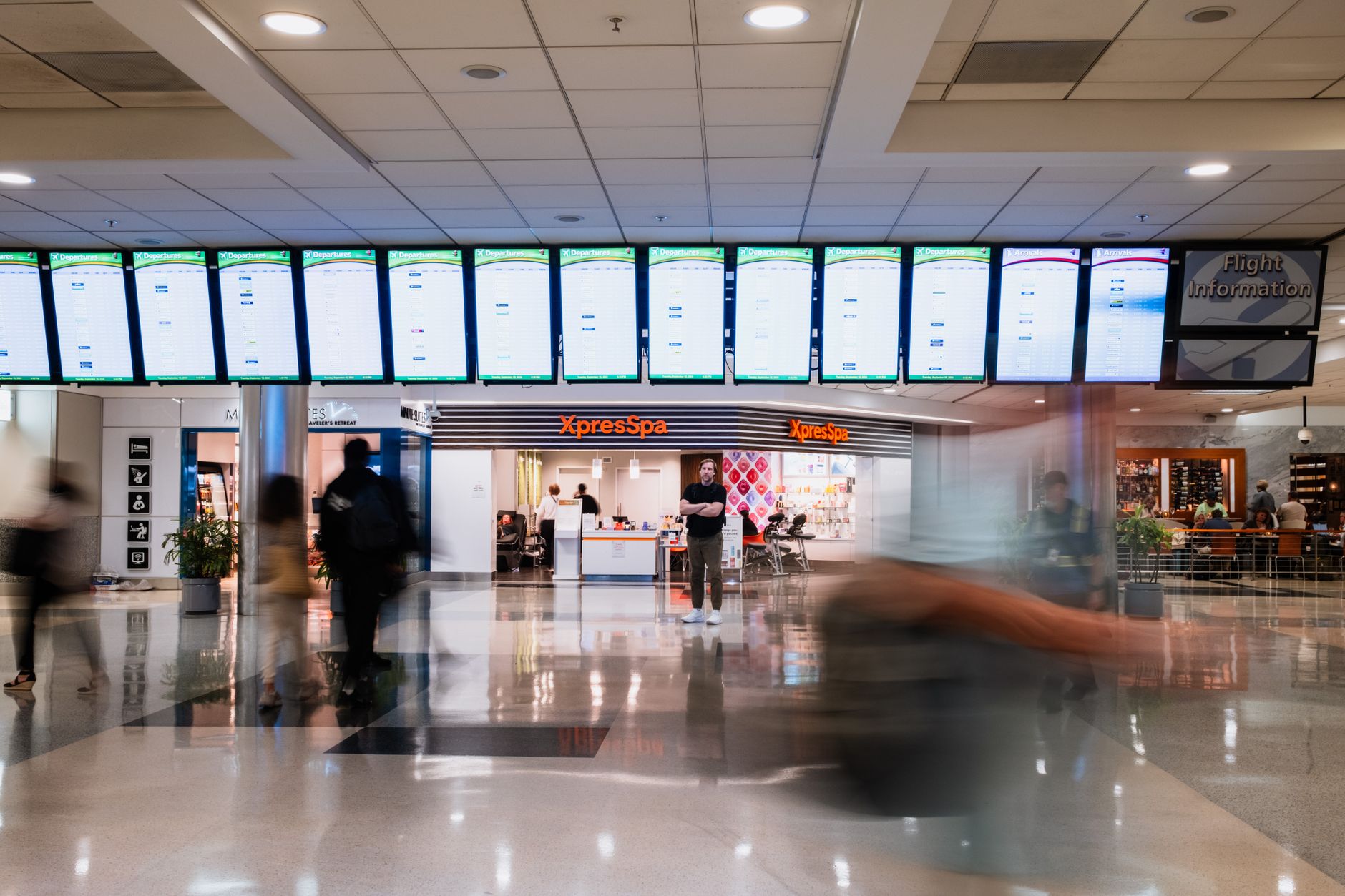
Documentation begins the moment the airline announces a delay, not days later when memory has faded and gate agents have moved on to other flights. Photograph the departure board showing your flight number, the original departure time, and the revised estimate. Screenshot any push notifications or text messages the carrier sends about the delay. Request a written delay confirmation from the gate agent, even if you plan to accept a rebooked flight; this record becomes essential if the replacement itinerary also experiences disruption and you later decide to pursue the full refund.
Collect receipts for every expense the delay forces you to incur. A meal purchased during the extended wait, a hotel night booked when the delay pushes past midnight, ground transportation between the airport and lodging, even the cost of rebooking a rental car or prepaid activity at your destination all become potential recovery items under North Carolina consumer protection statutes if the airline's handling of your claim later proves deficient.[2] The refund itself covers the unused ticket; consequential damages require a separate claim grounded in the carrier's failure to honor its published commitments or its misrepresentation of your statutory rights.
Submit your refund request through the airline's online portal within seven days, citing 14 CFR Part 259 by name and specifying payment to your original form of tender. If the carrier does not acknowledge the claim within 48 hours, forward a copy to the DOT Aviation Consumer Protection division and note the forwarding in a follow-up message to the airline. Persistence matters; RecoverAir handles this escalation sequence on behalf of travelers who lack the time or expertise to manage multi-step claim administration while juggling the disruption itself.
Recovering More Than the Ticket When the System Fails
State consumer protection frameworks allow North Carolina travelers to pursue damages beyond the refund when an airline mishandles a claim, processes cash as credit despite a clear statutory obligation, or fails to meet the DOT's seven-day processing deadline for credit card refunds.[2] These cases require detailed records of every communication with the carrier, proof that you requested cash specifically, and evidence that the airline's delay or denial caused additional financial harm. The same recovery framework applies across multiple hubs, each with its own mix of federal baseline and state-specific remedy.
Travelers who paid with a premium credit card may also file a trip delay or cancellation claim with the card issuer, a separate recovery avenue that runs parallel to the airline refund. Benefits vary by card, but many reimburse meals, lodging, and replacement transportation when a delay exceeds a threshold, often six hours. The credit card claim does not replace the airline refund; both are yours to pursue.
The three hour mark at Raleigh transforms a frustrating wait into a documented federal claim, and the travelers who know the rule walk away whole. The ones who don't leave cash on the terminal floor, traded for a meal voucher and a promise the airline never intended to keep.
Sources and references
- U.S. DOT Final Rule on automatic refunds
- American customer service plan