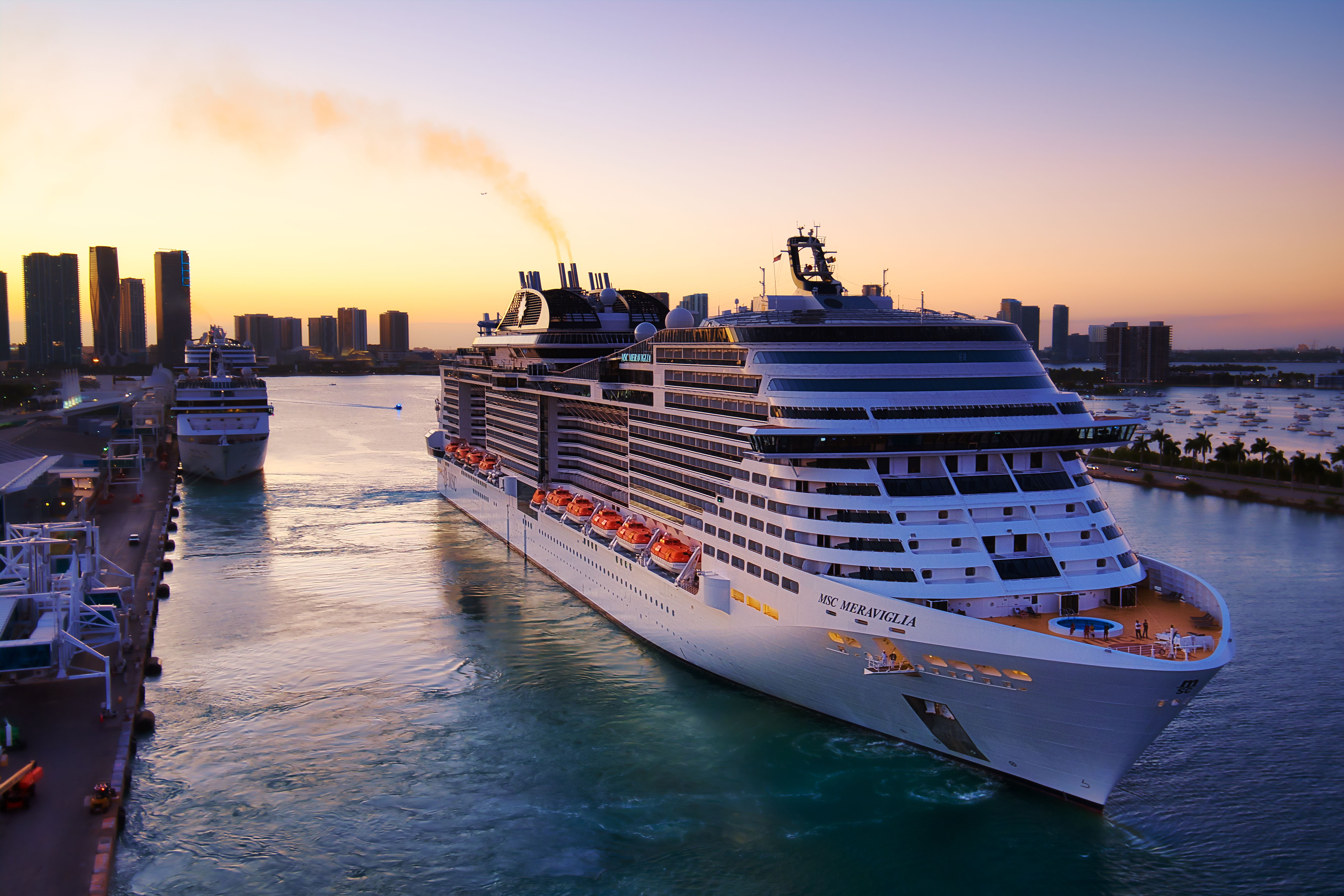
A missed port, an itinerary switched at the last minute, or a voyage cancelled altogether often leaves MSC Cruises passengers holding a future cruise credit when they wanted their money back. MSC Cruises dispute recovery depends on understanding what the line owes for itinerary changes, when you can demand cash instead of onboard credit, and how to escalate beyond Guest Services when the answer is no. Mediterranean and Caribbean sailings account for the bulk of MSC's North American business, and both regions see frequent weather-related diversions, port closures, and schedule swaps that trigger compensation questions.
What MSC Owes When the Itinerary Changes
MSC's ticket contract distinguishes between voluntary changes (price adjustments and cabin swaps you request) and involuntary changes (the cruise line alters the schedule, skips a port, or cancels the voyage).[1] For a cancelled port of call, MSC typically offers a prorated refund calculated by dividing the cruise fare by the number of scheduled ports, then subtracting the value of the missed stop. A seven-night sailing with six ports would see roughly one-sixth of the fare refunded if one port is skipped. MSC may substitute onboard credit instead, often at a higher nominal value than the cash refund, but you are entitled to request the cash option in writing within 30 days of disembarkation.[1]
If MSC cancels the entire voyage, you are owed a full refund of the cruise fare, port charges, and any prepaid packages such as drink or excursion bundles. The line frequently defaults to issuing a future cruise credit with a modest bonus percentage, but you may decline that credit and demand cash by notifying Guest Services before the original embarkation date or within 30 days after the cancellation notice, whichever comes first.[1] For sailings that depart from or call at an EU port, EU Regulation 1177/2010 reinforces your right to reimbursement and may add compensation of 25 percent of the ticket price for cancellations notified fewer than seven days before departure.[2]
How to File and Escalate an MSC Dispute
Start with MSC Guest Services in writing, either through the online contact form or by mailing a dispute letter to the address on your booking confirmation. Include your booking number, sailing date, the specific issue (missed ports, cancelled voyage, onboard service failure), and the remedy you are requesting (cash refund, fare adjustment, reimbursement of out-of-pocket costs). MSC's internal resolution window is 30 days from the date you submit your claim.[1]
If MSC denies your request, delays beyond 30 days, or offers only a future cruise credit when you asked for cash, escalate to the Federal Maritime Commission. The FMC's Office of Consumer Affairs and Dispute Resolution Services accepts complaints against cruise lines operating from U.S. ports, investigates violations of passenger rights, and can compel carriers to comply with their own ticket terms.[3] Filing is free and can be completed online. For denied travel insurance claims covering the same voyage, RecoverAir Insurance handles the appeal paperwork and negotiates cash settlements when the insurer initially offers only future travel vouchers.
Cash Versus Future Cruise Credits: When You Can Demand Money
MSC defaults to future cruise credits because they cost the company nothing and lock you into another booking. The ticket contract, however, permits you to decline a credit and request a cash refund for voyage cancellations and significant itinerary changes, provided you make the request in writing within the specified window.[1] A significant change is typically defined as a departure time shift of more than six hours, the substitution of an embarkation port, or the removal of two or more scheduled ports of call. MSC may argue that weather diversions do not qualify as significant changes, but if the diversion occurs before departure and alters the published itinerary substantially, you retain the right to cancel and receive a full refund.
State your preference for cash in the initial dispute letter. Guest Services representatives often respond to vague complaints with the easiest remedy, which is always a credit. Specify the refund method, the account to which the funds should be returned, and a deadline for response. If the line replies with a credit offer, respond in writing within 48 hours reiterating your demand for cash and citing the ticket-contract language that permits reimbursement. For passengers who also purchased travel insurance to cover the trip, denied insurance claims arising from the same itinerary change can be appealed through RecoverAir Insurance, which secures cash payouts when the insurer initially offers only vouchers or future policy credits.
Common Pitfalls That Weaken Your Claim
Missing the 30-day filing window is the most frequent mistake. MSC's ticket contract sets a strict deadline from disembarkation or cancellation notice, and late claims are routinely dismissed without review.[1] Calendar the deadline on the day you receive the cancellation email or the day you walk off the ship, then work backward to ensure your letter arrives with time to spare.
A second pitfall is accepting onboard credit or a partial remedy during the voyage. Once you sign a waiver or accept a credit to your onboard account, MSC considers the matter resolved and any subsequent demand for cash will be denied. Politely decline onboard settlements and state that you will file a formal claim after disembarkation. If crew pressure you to sign a form, write "under protest" beside your signature and photograph the document.
Vague language in the dispute letter gives MSC room to offer the minimum. Compare these two requests:
- Weak: "I am unhappy with the missed port and would like compensation."
- Strong: "MSC cancelled the scheduled call at Santorini on June 14, reducing the itinerary by one of six ports. I request a prorated cash refund of one-sixth of the base fare, $183, returned to the Visa account ending in 4521 within 14 days."
The second version names the port, the date, the formula, the dollar figure derived from your invoice, and the refund method. MSC may counter with onboard credit, but your specificity forces a substantive reply rather than a form letter.
When Travel Insurance and Cruise Line Remedies Overlap
Many MSC passengers carry trip-cancellation insurance that covers itinerary changes and missed connections. If MSC offers a partial refund for a cancelled port and your insurer denies the claim for the non-refunded balance, the overlap creates a recovery gap. Insurers often argue that MSC's onboard credit satisfies your loss, even when you requested and were denied cash. Document every interaction with MSC, save all emails, and submit the denial letter to your insurer as proof that the cruise line remedy was insufficient. Travelers navigating both a cruise-line dispute and a denied insurance claim can coordinate the two through RecoverAir Cruise, which manages parallel claims and ensures that one remedy does not disqualify the other.
Building Your Dispute File Before You Disembark
The strength of your MSC dispute depends on the evidence you gather during and immediately after the voyage. Photograph the daily program each morning to document which ports were listed and whether any changes were announced. Screenshot the MSC app if it shows the original itinerary versus the amended schedule. Save every onboard announcement, whether delivered as a printed notice slipped under your cabin door or displayed on your stateroom television. When a port is cancelled or substituted, note the time and method of announcement; MSC's obligation to compensate varies depending on how much notice you received.[1]
Request an itemized invoice from Guest Services before you leave the ship. The invoice breaks down base fare, port charges, government fees, and prepaid packages, giving you the precise figures needed to calculate a prorated refund. If crew offer onboard credit as an immediate remedy, decline politely and ask for the offer in writing, then photograph or scan the document. That written offer becomes leverage during the post-voyage dispute because it proves MSC acknowledged the disruption.
For passengers whose missed connection or extended delay qualifies for airline compensation, missed connection compensation rules may apply separately from the cruise line's obligations, particularly when the delay causes you to miss your homebound flight. Coordinate the airline and cruise claims so that each carrier understands the timeline and does not shift liability to the other.
Recovering Out-of-Pocket Costs Beyond the Fare
MSC's prorated refunds address the cruise fare itself but rarely cover secondary expenses such as pre-booked shore excursions at the cancelled port, non-refundable hotels booked independently for an embarkation-day overnight, or flight-change fees triggered by a delayed disembarkation. The ticket contract permits you to claim these costs if they were reasonably incurred and directly caused by the cruise line's schedule change.[1] Attach receipts, booking confirmations, and change-fee invoices to your dispute letter, and calculate the total separately from the fare refund.
EU Regulation 1177/2010 adds a layer of protection for sailings that touch any European port, requiring MSC to reimburse accommodation and meal costs if a delayed departure or missed embarkation forces an overnight stay.[2] The line may cap reimbursement at a per-night figure, but the obligation exists regardless of whether you purchased travel insurance. When both MSC and your insurer deny the same out-of-pocket expense, RecoverAir pursues recovery from the party with the clearer contractual duty, preventing each entity from deflecting responsibility to the other.
MSC disputes turn on timing, documentation, and persistence. File within 30 days, demand cash when the contract permits it, and escalate to the FMC if Guest Services stalls. Mediterranean and Caribbean itineraries will always face weather and logistical disruptions, but knowing what the line owes and how to collect it transforms a missed port from a frustration into a recoverable loss.
Sources and references
- MSC Cruises ticket contract
- EU Regulation 1177/2010 (sea passenger rights)
- Federal Maritime Commission