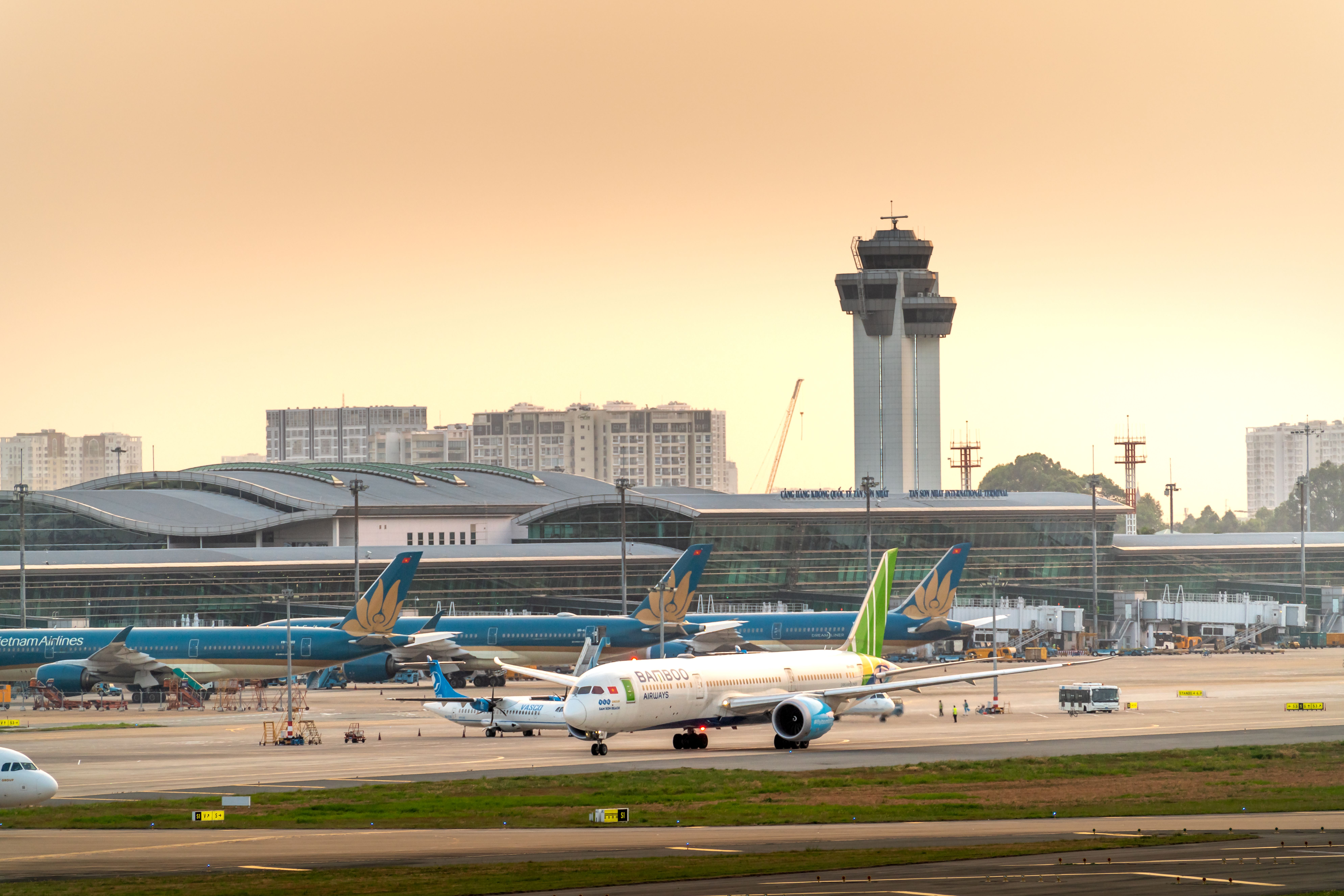
A traveler books a trip months ahead, pays for comprehensive coverage, submits every receipt and medical form when something goes wrong, and then receives a terse letter stating the claim has been denied. When travel insurance denied Texas claims pile up at Houston's George Bush Intercontinental, the reason is rarely an actual policy exclusion; more often it's a documentation technicality, a misread timeline, or a carrier's narrow interpretation of what qualifies as sudden and unforeseen. Texas travelers have two escalation paths: a formal internal appeal with the insurer and, if that fails, a complaint filed with the Texas Department of Insurance[2], which oversees all insurance disputes statewide and can compel a carrier to reopen the file. Most denials are reversed not because the policy was wrong but because the traveler knew how to frame the appeal, cite the right contractual language, and build a record the regulator could act on.
Why Houston Travelers Face Travel Insurance Denials in the First Place
Insurance companies deny claims for three recurring reasons at IAH. The first is incomplete documentation: a physician's note that doesn't specify the diagnosis date, a cancellation notice from the airline that lacks a timestamp, or a police report for theft that omits the value of stolen items. The second is a pre-existing condition exclusion applied broadly, sometimes to ailments that flared up years earlier and had nothing to do with the cancellation trigger. The third is timing; carriers argue that the traveler waited too long to cancel, that the policy was purchased after the first symptom appeared, or that the trip was already in jeopardy when coverage took effect.
United, Spirit, and Southwest departures dominate IAH, and when a delay or cancellation cascades into a missed connection or an entire itinerary collapse, travelers often file insurance claims for prepaid hotels, tours, and nonrefundable segments[3]. If the insurer denies the claim because the airline offered a travel credit or because the delay was classified as weather related (even when crew shortages were the real cause), the traveler is left holding receipts and no reimbursement. Texas law does not grant passengers automatic statutory compensation for delays, but it does give policyholders the right to appeal an insurer's decision and to request a detailed, written explanation of every exclusion cited.
The Internal Appeal Is Your First and Strongest Lever
Every travel insurance policy includes an internal appeals process, and that process is where most reversals happen. Start by requesting the full claim file, including the adjuster's notes, the policy section the carrier says was violated, and any third-party reports (airline records, medical summaries) the insurer relied on. When you file a travel insurance claim, you create a paper trail; when you appeal, you're adding context the initial adjuster never saw.
Draft a letter that reframes the denial. If the insurer said the cancellation was not sudden and unforeseen, attach a dated physician's note showing the diagnosis came after the policy purchase. If the carrier cited a pre-existing condition, reference the policy's lookback period and demonstrate that treatment occurred outside that window. If documentation was deemed incomplete, supply the missing form and cite the section of the policy that describes acceptable proof. Most insurers give thirty to sixty days for the internal appeal; use that time to build a file that addresses every objection line by line.
When the Insurer Denies Your Appeal, Escalate to the Texas Department of Insurance
If the internal appeal fails, the next step is a formal complaint with the Texas Department of Insurance, which has jurisdiction over every licensed carrier operating in the state. The TDI does not award compensation directly, but it investigates whether the insurer followed its own policy language and state claims-handling standards[2]. File the complaint online through the TDI portal, attach the original denial letter, the internal appeal response, and every piece of supporting documentation you submitted. The department assigns a case number, forwards the complaint to the carrier, and requires a written response within a set timeframe.
TDI complaints carry weight because they create a regulatory record. Carriers know that patterns of upheld complaints can trigger audits, and that a single well-documented case can expose systemic adjuster training problems. In most instances, the insurer reopens the claim and either offers a settlement or provides a much more detailed explanation that addresses the gaps the traveler identified. Texas law requires insurers to acknowledge receipt of a claim within fifteen days and to approve or deny it promptly; if the carrier missed those deadlines or failed to provide a clear reason for denial, the TDI complaint is the mechanism that forces accountability.
Common Pitfalls That Weaken Houston Appeals
Many travelers lose their appeal because they skip the details that matter most to an adjuster. Submitting the same documents a second time without new context or additional proof rarely changes the outcome. Here are the mistakes that undermine an otherwise valid claim:
- Waiting too long. Policy deadlines for appeals are measured in days, not weeks, and missing the window forfeits the internal process entirely.
- Arguing coverage without citing the policy. Emotional appeals have no traction; the adjuster needs page and paragraph numbers that show the carrier misapplied its own terms.
- Leaving gaps in the timeline. If the cancellation happened on Tuesday but the physician's note is dated Thursday, the insurer will argue the illness was not the proximate cause.
- Accepting a partial payment without reading the release. Some carriers offer a fraction of the claim and include language that closes the file forever; once signed, the appeal is over.
- Failing to distinguish between airline obligations and insurer obligations. The DOT automatic refund rule[1] requires carriers to refund a cancelled flight, but it does not cover prepaid hotels or tours; those fall to the insurance policy, and mixing the two weakens both claims.
Travelers who act within the first twenty-four hours of disruption preserve more options and collect better evidence. Every missed hotel night, every rebooked segment, and every phone call to the airline should be logged with timestamps and confirmation numbers, because that log becomes the skeleton of the appeal.
Who Benefits Most from a Structured Appeal Strategy
Business travelers flying United through IAH for last-minute client meetings, families with nonrefundable Disney packages, and retirees on multi-week cruises all face different denial triggers, but they share the same appeals framework. High-value claims over three thousand dollars attract more scrutiny from adjusters, so the documentation bar rises. Lower-dollar claims are often denied on technicalities because the carrier assumes the traveler will not bother to appeal.
Travelers who purchased coverage directly from the tour operator or cruise line (embedded insurance) may find that the appeals process is handled by a third-party administrator with no incentive to reverse the denial. In those cases, understanding how administrators interpret policy language and knowing when to involve the state regulator can shift leverage back to the traveler. The process is the same whether the trip originated at IAH, connected through Houston, or simply involved a Texas resident filing a claim from home.
Three Tactical Steps to Build a Reversal-Ready Appeal File
The difference between a denied claim that stays denied and one that gets reversed usually comes down to three concrete actions taken before the appeal deadline. First, request the complete claim file from the insurer, including adjuster notes, internal correspondence, and any third-party verifications. Most carriers provide this within ten business days of the request, and the file often reveals that the adjuster misread a date, overlooked a supporting document, or applied the wrong policy section. Knowing exactly what the insurer saw and why it said no lets you target the appeal to the precise objection.
Second, gather additional documentation that closes every gap the denial letter mentioned. If the carrier said the physician's note lacked a diagnosis date, obtain an amended letter on letterhead with the date prominently displayed. If the airline cancellation notice was missing, log into your carrier account, download the official itinerary change notification, and attach it with a timestamp. If receipts for prepaid hotels were deemed insufficient, request a detailed invoice from the property showing the reservation date, payment date, and cancellation policy. Each piece of new evidence should be listed in a numbered index at the front of the appeal packet so the adjuster can verify that every prior objection has been addressed.
Third, cite the policy by section, paragraph, and page number. Generic statements about fairness or expectation carry no weight; a line-by-line comparison of the denial reason and the actual contractual language forces the carrier to justify its reading. If the policy defines covered reasons for trip cancellation and your situation falls squarely within that list, quote the text and explain how your documentation proves each element. When a claim falls into a gray area or the carrier's systems are not set up to process the appeal efficiently, RecoverAir handles the entire escalation, drafting the appeal letter, coordinating with the TDI when necessary, and ensuring that every procedural deadline is met.
What Houston Travelers Can Actually Recover After a Denial Reversal
Successful appeals typically recover the full value of nonrefundable trip costs minus any airline refund or travel credit already issued[1]. That includes prepaid hotels, tours, event tickets, and transportation booked in advance. Some policies also cover the difference between the original airfare and the cost of a replacement ticket if the cancellation forced a last-minute rebooking at a higher price. Medical coverage, if part of the policy, extends to emergency treatment abroad, ambulance fees, and medical evacuation, provided the traveler submitted itemized bills and proof of payment.
What insurers do not owe, even after a reversal, are costs that fall outside the policy's covered reasons: cancellations due to work schedule changes (unless the policy includes a cancel-for-any-reason rider), upgrades purchased separately after the trip began, or expenses the airline already refunded under DOT rules. Travelers who understand the boundary between carrier obligations and insurer obligations avoid filing duplicate claims that weaken credibility with both parties. The goal of the appeal is not to recover everything imaginable; it is to recover everything the policy promised and the initial adjuster wrongly withheld.
Houston travelers who assemble a methodical appeal, cite the right policy language, and escalate to the Texas Department of Insurance when the carrier refuses to reopen the file succeed far more often than those who accept the first denial as final. The process takes patience and precision, but the outcome is usually a reversal that honors the coverage purchased months before the trip ever fell apart.
Sources and references
- U.S. DOT Final Rule on automatic refunds
- Texas Department of Insurance
- United customer service plan