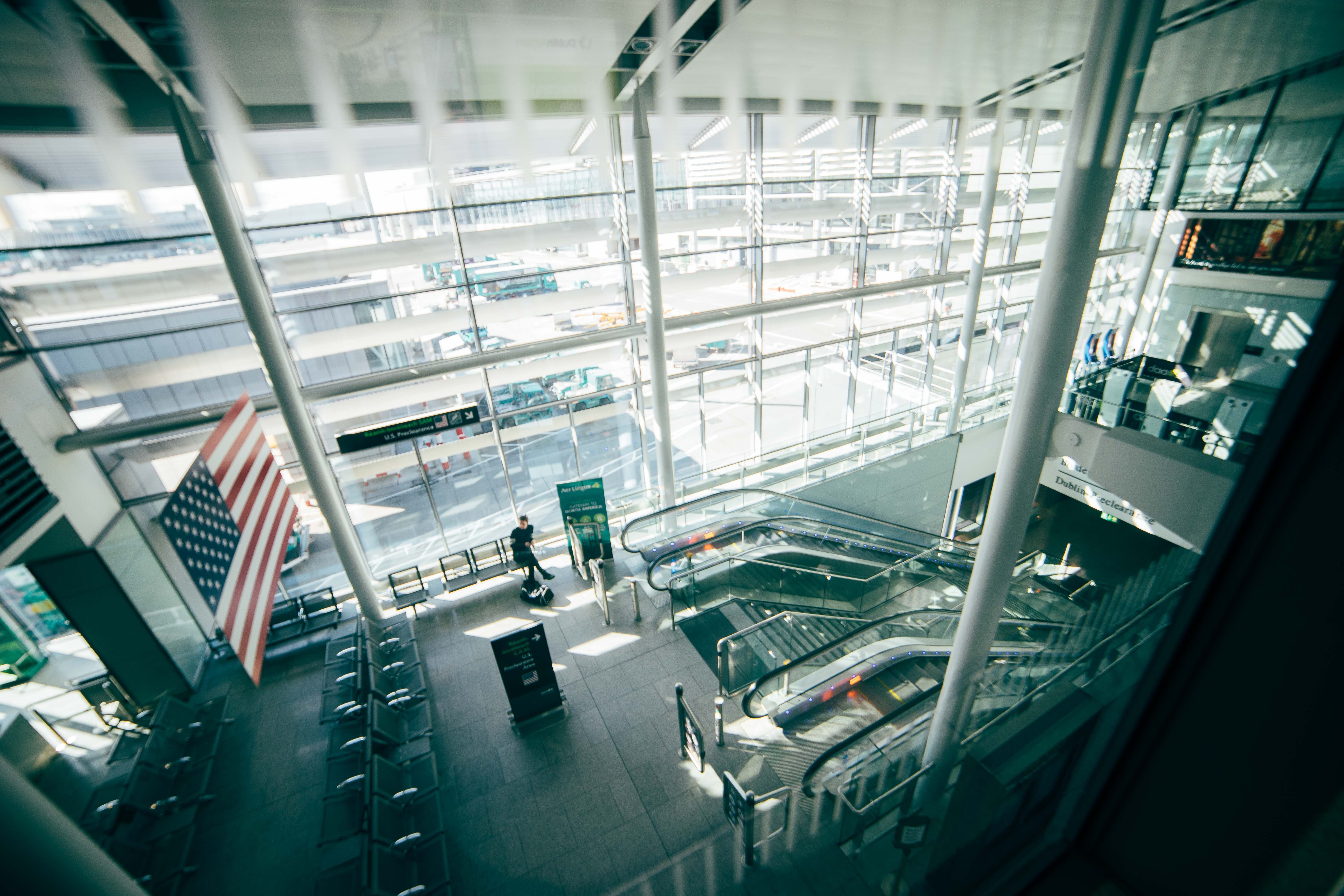
Miss a connection at Charlotte Douglas International and the clock starts immediately, whether you know it or not. The gate agent hands you a new boarding pass, the airline logs the disruption as resolved, and the window for meaningful compensation quietly begins to close. Travelers who experience a missed connection at Charlotte because of an airline-caused delay are owed far more than a seat on the next flight, yet most never ask for it and fewer still receive it. Understanding the difference between what an airline volunteers and what federal rules actually require is where recovery begins.
Carrier-Caused vs Weather: The Distinction That Determines Everything
Charlotte Douglas sits at the center of American Airlines' domestic network, which means CLT handles an extraordinary volume of connecting traffic every day. That scale brings efficiency, but it also means that when a delay ripples through the system, it ripples far. The critical legal question after any missed connection is not simply whether your flight was late; it is why it was late.
When an airline causes the delay through mechanical issues, crew scheduling problems, late-arriving aircraft, or operational decisions within its control, federal protections apply in full. Under U.S. DOT rules, the carrier owes you rebooking on the next available flight at no additional charge.[1] If the disruption forces an overnight stay, the obligation extends to meal vouchers and hotel accommodation. These are not goodwill gestures. They are baseline requirements under rules the Department of Transportation has codified and airlines have agreed to honor in their own conditions of carriage.
Weather is treated differently. A genuine weather delay, one that air traffic control classifies as beyond the carrier's operational control, removes the hotel and meal obligation in most cases. Airlines know this distinction and rely on it. Travelers who accept a "weather" classification without question sometimes discover later that the delay had a mechanical component, or that other carriers operated normally during the same window, which can shift the classification and the obligation entirely. Documenting what actually happened at the gate matters more than most passengers realize.
What the Airline Is Required to Do at CLT
American Airlines' own customer commitment, aligned with DOT guidance, requires rebooking at no cost when the carrier causes a missed connection.[1] The practical reality at Charlotte is that agents under pressure to clear a busy hub will often offer the next available seat on a partner codeshare, or push a connection through a routing that adds hours to your journey. You are not obligated to accept a severely inferior itinerary when better options exist.
Meal vouchers are typically issued at the gate or customer service desk when a carrier-caused delay exceeds a certain threshold, though the specific amount is set by each airline's policy. Hotel accommodation for overnight disruptions should be arranged before you leave the airport. A useful starting point for understanding the full scope of what may be owed is our flight delay compensation guide, which maps federal obligations against carrier-specific policies.
The Paper Trail That Makes or Breaks a CLT Claim
Most travelers walk away from a missed connection with a new boarding pass and the vague sense that something more was owed. That ones who recover it are almost always the ones who documented the disruption before leaving the airport. Charlotte Douglas is a high-volume hub; by the time you reach your destination, the gate logs have moved on, the agents have worked three more flights, and the airline's system has categorized your delay in whatever way its algorithms prefer.
Collecting evidence at the moment of disruption is not paranoia; it is the foundation of any successful claim. Here is what to gather before you board your rebooked flight:
- The delay reason, in writing. Ask the gate agent to note the official cause on your file or request it on the new boarding pass receipt. Screenshot the flight status display showing the delay code.
- All receipts for out-of-pocket costs. Meals, transportation to a hotel, and lodging all matter. Keep every receipt, even for small purchases, because meal vouchers sometimes fail to cover actual airport food costs and the difference is recoverable.
- The names and badge numbers of any agents who assist you. This is rarely convenient to ask for, but it can resolve disputes about what was offered and when.
- Flight status screenshots with timestamps. Apps such as FlightAware and the airline's own app generate timestamped status records. Save them before the flight disappears from the feed.
- Any communication from the airline. Push notifications, texts, and email alerts are timestamped records of when the carrier knew about the disruption and how it characterized it.
Travelers who face a similar paper-trail challenge at other major connecting hubs will find the dynamics familiar; the DTW missed connection guide covers the same documentation discipline for Detroit, where carrier-caused delays follow an identical federal framework.
When the Airline's Offer Falls Short
The gap between what an airline volunteers at the gate and what federal rules actually require is where most compensation is lost. An agent may hand you a meal voucher for an amount that does not reflect a reasonable meal cost at Charlotte Douglas. A hotel voucher may cover only a property the airline has a contract with, even when better options are available nearby. Rebooking may be offered on a routing that arrives a day later than necessary because the agent defaulted to the airline's own metal rather than checking partner availability.
None of this is necessarily bad faith; it is often the result of agents working quickly under pressure. The practical consequence for travelers is the same: they receive less than they are owed and never pursue the difference. Knowing that the obligation to rebook includes partner and codeshare options, not only flights on the operating carrier, is a meaningful detail most passengers miss entirely.
The Charlotte travel insurance denial guide addresses a closely related scenario, one where a traveler's insurance policy is supposed to pick up what the airline leaves behind but the claim comes back denied. The two denials, one from the carrier and one from the insurer, often arrive in the same week and compound each other.
Connecting Passengers Face the Highest Exposure
A point-to-point traveler who misses a flight at CLT loses time. A connecting passenger loses the entire downstream itinerary: hotel reservations, ground transportation, cruises, tours, and event tickets bought on a non-refundable basis. The original flight disruption becomes a cascade. Federal rebooking protections cover the flight itself; they do not automatically restore what the missed connection cost beyond the airport.
That downstream exposure is exactly where a dedicated claims service becomes relevant. Our RecoverAir flight recovery service is built for the full cascade, not just the rebooking receipt, and it handles the documentation, correspondence, and follow-through that most travelers abandon after the first denial.
Taking Action Before the Window Closes
Federal rules do not impose a single universal deadline for missed connection claims, but the practical window narrows quickly. American Airlines, like most major carriers, asks that written complaints and reimbursement requests be submitted within a reasonable period after travel, and the airline's own records are most complete in the days immediately following a disruption. Waiting weeks to file does not void a claim, but it makes documentation gaps easier for a carrier to exploit.
The most direct path forward is a written claim submitted to the airline's customer relations department, not a gate agent and not a general feedback form. That submission should state the flight numbers, the documented delay cause, and an itemized list of out-of-pocket costs with receipts attached. Framing the request around the carrier's own conditions of carriage, and where appropriate the DOT's final rule on automatic refunds,[1] positions the claim as a matter of policy compliance rather than a goodwill request. That distinction affects how quickly it moves and where it lands inside the airline's review process.
North Carolina's consumer protection framework gives travelers an additional avenue. When an airline's response is inadequate, a complaint filed with the state consumer protection office creates an official record and, in some cases, prompts a carrier response that a private letter alone would not. State insurance commissioner data confirms that formal complaints generate documented responses at a higher rate than informal outreach.[2] Our RecoverAir claims platform manages the full sequence, from initial submission through escalation, for travelers who do not want to navigate the correspondence alone.
What a Recovered CLT Claim Can Actually Include
Travelers tend to think of a missed connection claim as covering only the inconvenience of a delayed arrival. The actual scope, when the delay is carrier-caused and documented properly, extends further. Rebooking at no charge is the floor, not the ceiling. Meal costs during the delay period, hotel accommodation for overnight disruptions, ground transportation to and from a hotel, and the fare difference when a rebooked itinerary involves a lower service class are all potentially recoverable under federal guidance and carrier policy.[1]
Travelers with trip interruption coverage through a credit card or standalone policy may also have a parallel claim worth pursuing. The CLT refund loophole guide outlines how a single disruption can generate recoverable amounts from two separate sources, an airline obligation and an insurance benefit, that most passengers treat as mutually exclusive when they are not.
For passengers whose downstream losses exceed what the airline and a single insurance policy will cover, RecoverAir's flight recovery team coordinates the claims across both channels simultaneously, ensuring nothing is left on the table by default.
The gate agent's new boarding pass feels like a resolution; in practice, it is only the starting point. Travelers who document the disruption, understand what the carrier owes beyond the seat, and file a written claim grounded in federal rules recover measurably more than those who accept the first offer and walk away.
Frequently asked questions
How much compensation am I owed for missed connection at Charlotte?
U.S. domestic regulations don't require cash payments like European rules, but carrier-controlled delays at CLT trigger valuable entitlements. For delays of 3+ hours, you receive meal vouchers ($12 breakfast, $18 lunch or dinner). Overnight delays require hotel accommodations and ground transportation, worth $150,$250. Under the automatic refund rule effective October 2024, if your rebooking creates a 3+ hour arrival delay compared to your original itinerary, you can decline it and receive a full refund instead. International connections may qualify for $250,$600 under Montreal Convention or EU261 provisions. American Airlines sometimes offers 5,000,25,000 miles as goodwill gestures, though you must request them explicitly.
How do I file a missed connection claim from Charlotte?
Start at the moment you miss your connection. Visit the gate agent or American Airlines' customer service desk in Concourse D to document the delay and its stated cause. Request printed delay codes showing whether the system classified it as maintenance, crew, weather, or ATC. Photograph departure boards, rebooking confirmations, meal vouchers provided or denied, and hotel documentation. Save all receipts for meals, lodging, ground transportation, and missed reservations. Submit your formal claim through aa.com/customer-service/contact-american within 30 days, including your booking reference, flight numbers, documented delay causes, expenses incurred, and requested resolution. Reference specific regulations rather than general complaints.
What are my North Carolina traveler rights?
North Carolina's Unfair and Deceptive Trade Practices Act prohibits airlines from mischaracterizing delay causes or misrepresenting passenger entitlements at CLT. State contract law requires airlines to honor commitments in their contracts of carriage, such as hotel accommodations for overnight delays. Small claims courts in Mecklenburg County provide a venue for pursuing disputes under $5,000, as mandatory arbitration clauses typically allow these smaller claims to proceed in public court. Filing complaints with the North Carolina Department of Justice creates regulatory records that influence enforcement priorities, even if individual case intervention remains rare.
How long do I have to file a missed connection claim?
This is covered in the article body. The free eligibility check at /recoverair gives a personalized assessment for your situation.
What does the airline owe me for missed connection at CLT?
Airlines must immediately rebook you on the next available flight without fees, including partner airline options. For delays of 3+ hours, you receive meal vouchers worth $12 for breakfast or $18 for lunch or dinner. Overnight delays require hotel accommodations and ground transportation, typically worth $150,$250. If the airline cannot provide a hotel due to capacity, they should reimburse your reasonable lodging expenses. Under regulations effective October 2024, if rebooking creates a 3+ hour arrival delay versus your original schedule, you can decline it and receive a full refund instead of accepting alternative travel.
Sources and references
- U.S. DOT Final Rule on automatic refunds