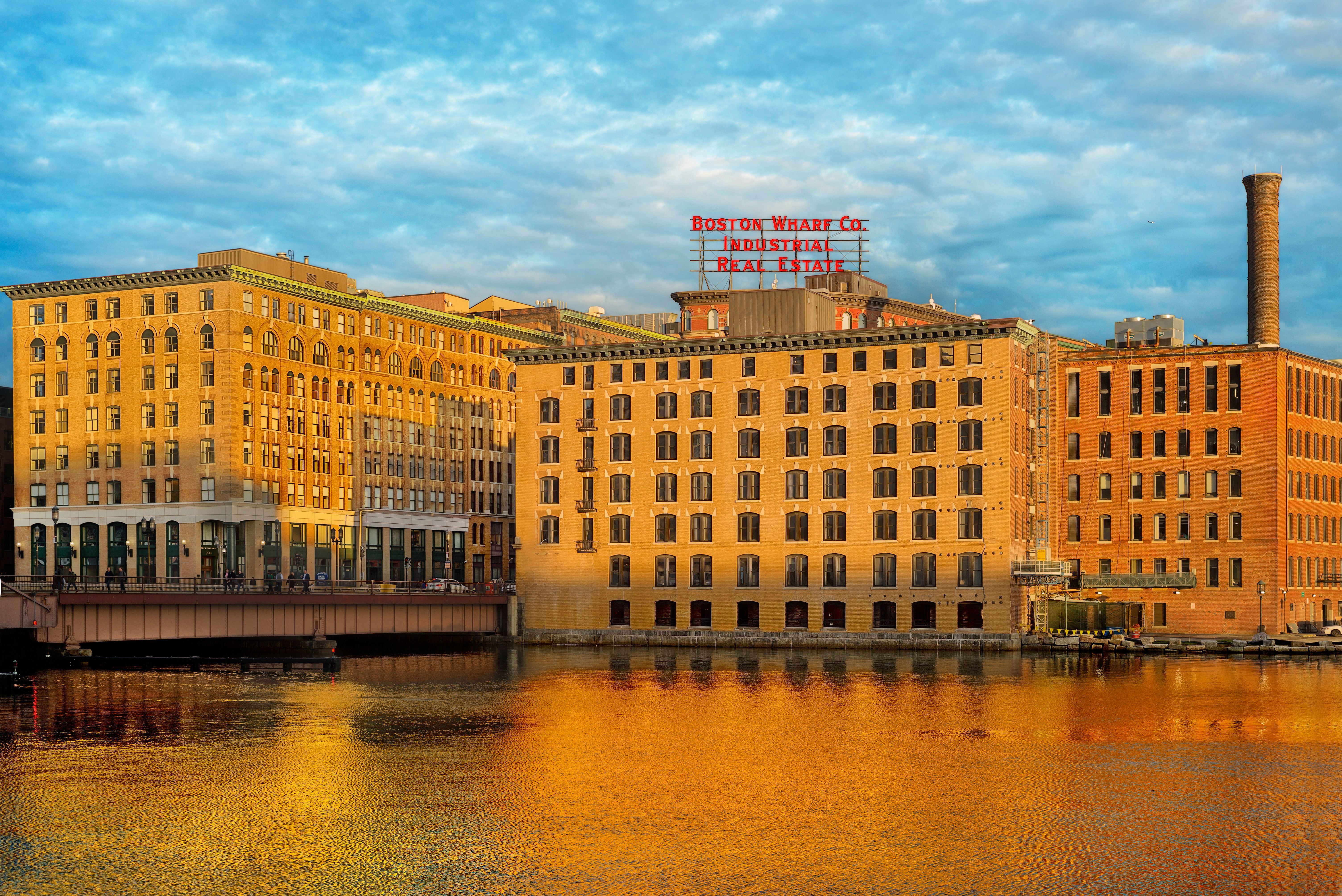
Boston hotel dispute recovery starts the moment you spot an overcharge, face an overbooking, or get hit with a surprise fee that contradicts your reservation. Hotels in Back Bay, the Seaport, and downtown Boston are bound by Massachusetts consumer protection law, which gives you powerful tools to fight back when a property overcharges, walks you to another hotel, or refuses a refund you're entitled to receive. Your first move is always to contact the hotel manager in writing, document everything, and escalate to your credit card issuer within 60 days if the property refuses to resolve the issue. Massachusetts Chapter 93A provides additional leverage for travelers who experience unfair or deceptive practices, making it one of the strongest state frameworks for hotel dispute recovery in the country.[1]
How to Dispute a Boston Hotel Overcharge
Overcharges happen when a Boston hotel bills you more than the rate quoted at booking, tacks on undisclosed resort fees, or charges your card multiple times for the same stay. Begin by comparing your original confirmation email to the final itemized bill. Screenshot both documents and send a written dispute to the hotel's front desk manager and billing department within 24 hours of checkout. Request a corrected invoice and full refund of the overcharge, citing the specific discrepancy and attaching your proof.
If the hotel ignores your request or offers only a partial credit, file a chargeback with your credit card issuer within 60 days of the transaction date. The Fair Credit Billing Act protects you from billing errors and unauthorized charges, and card networks typically side with cardholders when documentation is clear.[2] Include your confirmation, the inflated bill, and a timeline of your dispute attempts with the hotel. Our hotel dispute recovery tool walks you through every step of the chargeback process and generates the demand letters your issuer needs.
Massachusetts law adds another layer of protection. Hotels that engage in unfair or deceptive billing practices violate Chapter 93A, which allows you to demand double or triple damages if the hotel acted knowingly or willfully.[1] Send a 93A demand letter to the hotel's corporate office 30 days before filing a formal complaint, giving them one final chance to settle. The Massachusetts Office of Consumer Affairs can help you draft this letter and escalate unresolved disputes.
What Happens When a Back Bay Hotel Walks You
A hotel walk occurs when a Back Bay, Seaport, or downtown Boston property cancels your confirmed reservation because they overbooked rooms. Under Massachusetts hospitality standards and major brand policies, the hotel must arrange comparable alternate accommodations at no additional cost to you, cover transportation to the substitute hotel, and often compensate you with points, a future free night, or a refund of the first night's rate.[3] Marriott, Hilton, Hyatt, and Four Seasons properties in Boston follow corporate walk policies that spell out these obligations in detail.
Demand written confirmation of the hotel's walk policy the moment staff inform you of the overbooking. Insist that the substitute hotel match or exceed your original reservation's star rating, location, and amenities. If the hotel offers a downgrade or leaves you to find your own room, refuse the offer and escalate immediately to the property's general manager and corporate customer relations. Use our hotel overbooking compensation guide to understand what you're owed and how to claim it.
Challenging a Non-Refundable Boston Hotel Booking
Non-refundable bookings are enforceable when you simply change your mind, but they become disputable when the hotel materially misrepresents services, fails to deliver promised amenities, or engages in deceptive practices. Boston hotels that advertise ocean views, parking, or business centers at booking but fail to provide them open the door to a successful chargeback under the "services not as described" category. Your credit card issuer can reverse non-refundable charges when the hotel breaches the terms of your reservation contract.
Start by documenting the discrepancy between what was promised and what was delivered. Take photos of the actual room, missing amenities, or unsafe conditions. Email the hotel within 24 hours of check-in, stating that the accommodations do not match your reservation and requesting immediate resolution or a full refund. If the hotel refuses, file a chargeback dispute with your card issuer within 60 days, attaching your confirmation email, photos, and correspondence. The burden shifts to the hotel to prove they delivered the services as advertised.

Massachusetts consumer protection law strengthens your position. Hotels that knowingly misrepresent room features or booking terms violate Chapter 93A, which permits you to recover actual damages plus attorney fees if you prevail in court.[1] This legal framework gives you leverage in negotiations, especially when the hotel's marketing materials clearly contradict the reality of your stay. Our credit card travel benefit claims tool helps you build a complete dispute file and tracks your chargeback timeline to ensure you meet every deadline.
Boston Hotel Dispute Process Step by Step
Recovering money from a Boston hotel requires a systematic approach, whether you're fighting an overcharge, demanding compensation for a walk, or challenging a denied refund. Follow this sequence to maximize your recovery and preserve your legal rights at every stage.
- Document everything immediately. Save your confirmation email, take screenshots of the advertised rate and amenities, photograph the actual room and any issues, and keep every receipt and communication.
- Contact the hotel manager in writing within 24 hours. Use email to create a paper trail, state the specific problem, cite the amount you're claiming, and attach supporting documents. Request a response within 48 hours.
- Escalate to corporate customer relations if the property ignores you. Major chains maintain executive resolution teams that override local management decisions. Reference your case number and demand a final decision within seven days.
- File a credit card chargeback within 60 days. Submit your dispute through your issuer's online portal, attach all documentation, and select the reason code that matches your situation (billing error, services not rendered, or goods not as described).
- Send a Massachusetts Chapter 93A demand letter 30 days before filing suit. If the hotel's conduct was unfair or deceptive, this letter puts them on notice and opens the door to multiple damages if you win in court.[1]
- Report unresolved disputes to the Massachusetts Office of Consumer Affairs. State regulators track complaints against hotels and can mediate disputes or trigger investigations into repeat offenders.[2]
Common Mistakes That Kill Your Hotel Dispute
Missing the 60-day chargeback window is the most common error travelers make, especially when they delay filing while waiting for the hotel to respond. Card issuers enforce this deadline strictly, and late disputes are rejected automatically regardless of merit. File your chargeback as soon as it's clear the hotel won't voluntarily refund you, even if negotiations are ongoing. The chargeback process runs in parallel with direct settlement talks and can be withdrawn if the hotel agrees to your terms.
Another frequent mistake is accepting partial credits or future stay vouchers when you're entitled to a full cash refund. Hotels offer vouchers to avoid reporting chargebacks to their merchant processor, but vouchers expire, restrict your travel dates, and tie you to a property you may never want to visit again. Demand cash or chargeback the transaction.
Filing a Boston Hotel Chargeback That Wins
Credit card chargebacks succeed when you present clear evidence that the hotel failed to deliver what you paid for, billed you incorrectly, or violated the terms of your reservation. Boston travelers recover an average of 68% of disputed hotel charges when they file within the first 30 days and include comprehensive documentation.[2] Your issuer assigns a reason code to your dispute based on the category you select: billing error (for duplicate charges or incorrect amounts), services not rendered (for canceled stays or rooms the hotel refused to honor), or goods not as described (for misrepresented amenities or substandard conditions).
Write a detailed but concise dispute narrative that explains what you booked, what you received, and why the hotel owes you a refund. Attach your confirmation email with the original rate and terms, the final itemized bill showing the discrepancy, photos of the room or missing amenities, and copies of every email or letter you sent to the hotel. Card networks require merchants to respond within 30 days, and hotels that fail to provide proof of proper delivery lose automatically. Our hotel recovery platform generates chargeback dispute packages that include every document your issuer needs to rule in your favor.
If the hotel contests your chargeback and provides their own evidence, your issuer will ask you to submit a rebuttal within 10 days. Review the hotel's response carefully, highlight any inconsistencies or false claims, and resubmit your original evidence with additional context. Hotels often submit generic policy documents rather than specific proof that they delivered what you paid for, which weakens their case.
What You Can Recover From a Boston Hotel Dispute
Successful hotel disputes recover the full amount of the overcharge, unauthorized fee, or rate difference when the hotel walks you to inferior accommodations. Massachusetts Chapter 93A allows you to claim double or triple the actual damages if the hotel's conduct was knowing or willful, plus reasonable attorney fees if you hire legal counsel.[1] This framework applies to hotels that refuse refunds they know you're entitled to receive, advertise amenities they don't provide, or add unauthorized charges to your bill after checkout.
Beyond direct financial recovery, you can demand compensation for consequential damages when a hotel walk forces you to pay higher rates elsewhere, miss a business meeting, or incur taxi fees to reach a substitute property. Document every additional expense caused by the hotel's breach, submit receipts with your demand letter, and include these costs in your chargeback dispute or 93A claim.
Boston hotel disputes are winnable when you act fast, document thoroughly, and escalate through the right channels. Massachusetts consumer protection law gives you tools that travelers in many other states lack, turning hotel billing errors and overbooking practices into recoverable claims backed by statutory penalties. Start your dispute today using our travel recovery tools to build your case and track every deadline.
Sources and references
- Massachusetts Chapter 93A
- MA Office of Consumer Affairs
- Marriott/Hilton/Four Seasons Boston