
Atlanta hotel dispute recovery starts with documentation and a clear understanding of your rights under Georgia law and federal consumer protections. When a hotel overcharges you, walks you from a confirmed reservation, or refuses to refund an unauthorized resort fee, you have multiple avenues to recover your money, from direct negotiation through chargeback rights under the Fair Credit Billing Act. The Georgia Fair Business Practices Act[1] prohibits deceptive billing practices, giving consumers legal standing to dispute charges that don't match what was promised at booking. Most successful recoveries happen within the first 60 days of the disputed charge appearing on your statement, making speed and organization essential.
How Atlanta Hotel Overcharge Disputes Actually Get Resolved
Contact the hotel billing department within 48 hours of discovering the discrepancy, providing your reservation confirmation, the rate you agreed to pay, and screenshots of the original booking terms. Major chains including Marriott, Hilton, and Hyatt maintain customer care escalation teams that can reverse unauthorized charges within 72 hours when you present clear evidence[3]. Document every conversation with names, timestamps, and reference numbers.
If the hotel refuses to correct the overcharge, file a chargeback with your credit card issuer within 60 days of the statement date. Include your original booking confirmation, the hotel's written refusal to adjust the charge, and a brief explanation of the discrepancy. Card networks typically rule in favor of consumers when the advertised rate differs materially from the charged amount. Credit card dispute rights extend to hidden fees, rate mismatches, and charges for services you declined.
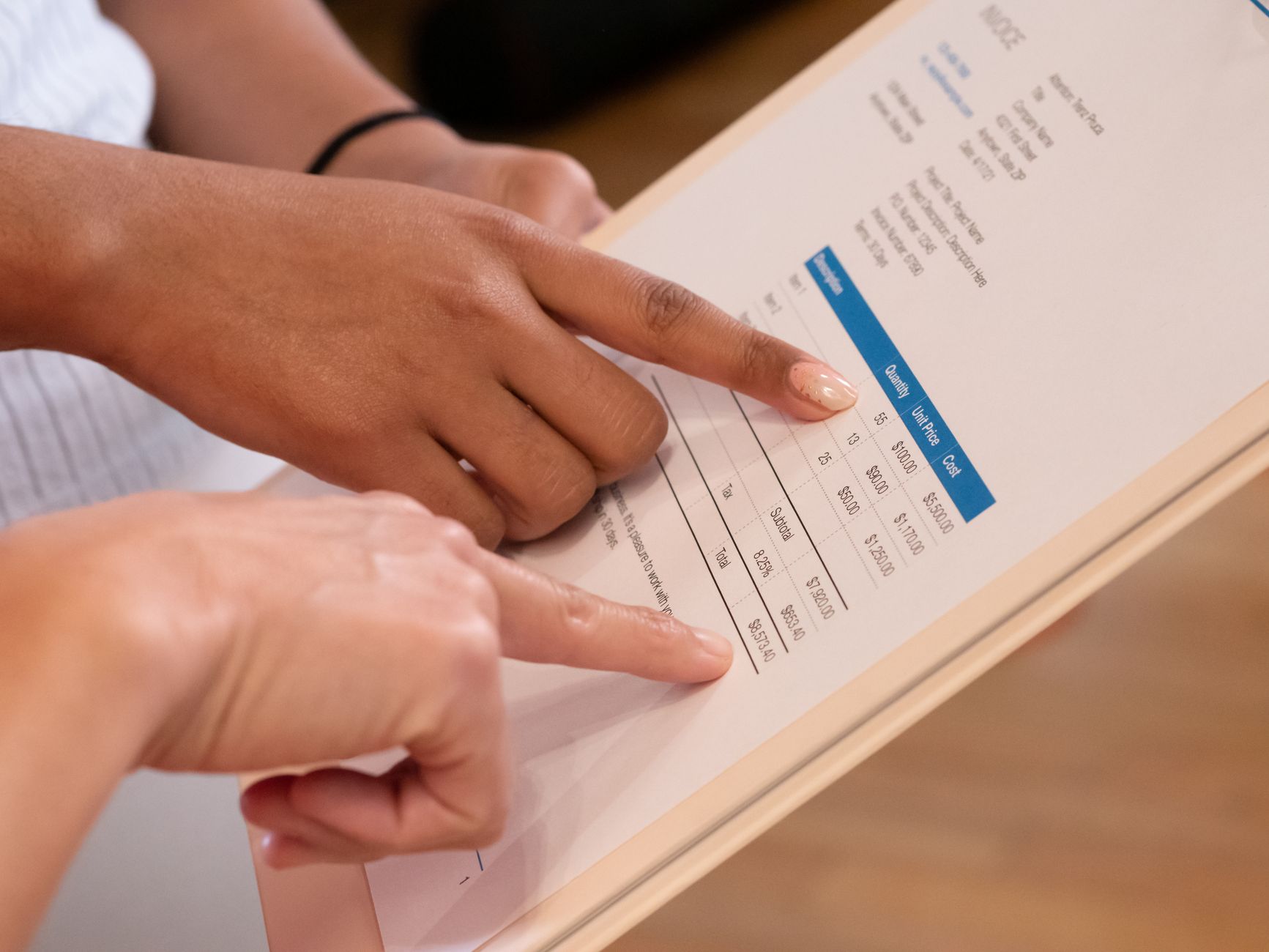
For resort fees that weren't disclosed at booking, reference the FTC's guidance on junk fees[2], which requires hotels to show the total price including mandatory fees before you complete your reservation. Atlanta properties that add undisclosed mandatory fees after booking violate federal consumer protection standards. Your chargeback claim gains strength when you can prove the total price shown at checkout excluded fees that later appeared on your bill.
What Happens When an Atlanta Hotel Walks You
Hotels that walk guests from confirmed reservations must arrange and pay for comparable or superior alternative accommodations under industry standard practice. This includes transportation to the substitute hotel and compensation for any rate difference. Walked guests retain the right to reject unsuitable alternatives and book their own replacement lodging, then pursue reimbursement through the original property.
Document the walk immediately with photos of the front desk interaction, written confirmation from staff that no rooms are available, and any offered alternatives. Book replacement accommodations quickly, keeping all receipts for rate differences, transportation, and meals if the substitute hotel lacks promised amenities. Similar documentation practices that work for Atlanta flight delays apply equally to hotel walk situations, where contemporaneous records make recovery straightforward.
Submit your reimbursement claim within 14 days, attaching your original reservation confirmation, documentation of the walk, and receipts for all incremental costs. Most chains process walk reimbursements within 30 days when you provide complete documentation and reference their published guest rights policies.
Can You Refund a Non-Refundable Atlanta Hotel Booking?
Non-refundable bookings become disputable when the hotel materially breaches the agreement through failure to provide promised amenities, unsafe conditions, or services that differ substantially from what you reserved. Georgia contract law recognizes material breach as grounds to void non-refundable terms, particularly when hotels misrepresent room conditions or fail to disclose property-wide issues like construction or facility closures. The burden shifts to the hotel to prove they fulfilled their contractual obligations when you document specific failures.
Credit card networks allow chargebacks on non-refundable bookings when hotels fail to deliver services as described, including non-functioning air conditioning, pest infestations, or safety hazards that make rooms uninhabitable. Take timestamped photos of any deficiencies, request an incident report from the front desk, and ask to be moved to a comparable room. Hotels that cannot provide acceptable alternative accommodations lose the protection of non-refundable booking terms.
Third-party booking platforms add complexity to non-refundable disputes because you contract with the intermediary rather than the hotel directly. Contact the OTA within 24 hours of check-in if conditions warrant cancellation, documenting why the property fails to meet the advertised standard. OTA dispute protocols require you to exhaust hotel-level remedies first before the platform will consider refunding a non-refundable rate.
Atlanta Hotel Chargeback Rights and Deadlines
The Fair Credit Billing Act provides 60 days from your statement date to dispute hotel charges, though earlier filing improves success rates as evidence remains fresh and hotel records stay accessible. Card issuers investigate Atlanta hotel chargebacks under Visa and Mastercard dispute reason codes that specifically address billing errors, services not rendered, and charges that differ from the transaction amount you authorized at booking.
Successful Atlanta hotel chargeback claims require three elements:
- Written communication with the hotel attempting to resolve the dispute directly, including dates and outcomes of those conversations
- Documentation proving what you were promised at booking, typically your confirmation email showing the rate and included services
- Evidence the hotel charged a different amount or failed to provide services, such as your final bill highlighting the discrepancy or photos of missing amenities
File chargebacks through your card issuer's online dispute portal or by calling the number on the back of your card. Provisional credit typically appears within 10 business days while the investigation proceeds. Hotels have 30 days to respond with evidence supporting their charge, after which the card network makes a final determination. Win rates exceed 70% when you provide complete contemporaneous documentation and demonstrate good faith efforts to resolve the dispute directly.
Georgia-Specific Consumer Protections for Hotel Billing
The Georgia Fair Business Practices Act prohibits deceptive trade practices including false advertising of hotel rates, unauthorized charges, and failure to honor advertised prices[1]. This state law works alongside federal protections to give Atlanta travelers multiple paths to dispute hotel billing errors. When hotels add fees not disclosed during booking or charge amounts exceeding your reservation confirmation, they violate state consumer protection standards regardless of any fine print in their terms.
Georgia law allows consumers to pursue actual damages plus attorney fees when hotels engage in deceptive billing practices. Similar enforcement mechanisms that apply to denied travel insurance claims in Georgia extend to hotel billing disputes, creating financial incentives for properties to resolve overcharges quickly rather than face formal legal action. Most disputes settle during the credit card chargeback process without requiring separate legal proceedings.
Filing Your Atlanta Hotel Dispute Step by Step
Begin by sending a written dispute letter to the hotel's billing department within 48 hours of discovering the problem, stating the specific charge you contest and the amount you believe is correct. Include your reservation confirmation number, copies of booking emails showing the agreed rate, and photographs of any property deficiencies if disputing service quality. Request a written response within seven business days and send your letter via email with read receipt confirmation to establish a documented timeline.
Simultaneously file a complaint with your credit card issuer if the hotel refuses to acknowledge your initial contact or the charge exceeds $50. Log into your card account's dispute center, select the transaction, and choose the reason code that best matches your situation: billing error for rate discrepancies, services not as described for quality issues, or duplicate processing for multiple charges. Upload all supporting documents including your hotel correspondence, booking confirmation, and itemized bill showing the disputed amount. Provisional credit typically posts within 10 days while the investigation proceeds.
For disputes exceeding $500 or involving multiple denied resolution attempts, file a complaint with the Georgia Governor's Office of Consumer Protection, which tracks patterns of deceptive hotel billing practices across the state. Hotel dispute recovery tools streamline the documentation process by generating properly formatted dispute letters and organizing your evidence in the format card issuers and regulatory agencies expect. Keep copies of every document and maintain a log of all phone calls with dates, representative names, and outcomes.
Atlanta Resort Fee Refund: What You Can Actually Recover
Mandatory resort fees added after booking without prior disclosure qualify for full refunds under FTC junk fee guidance[2], which requires hotels to show the total price including all mandatory fees before you complete your reservation. Atlanta properties charging resort fees ranging from $15 to $45 per night must disclose these amounts on the initial search results and booking pages. Fees appearing only at check-in or on your final bill create valid grounds for chargeback regardless of signed registration cards.
Recoverable amounts include the full resort fee charge, any associated taxes on that fee, and in cases of material misrepresentation, the rate difference if you can prove you would have booked alternative lodging at the true total price. Credit card disputes for undisclosed resort fees succeed at rates exceeding 80% when you provide screenshots of the booking flow showing no fee disclosure and your final bill reflecting the added charge. Recovery timelines average 45 days from initial dispute filing to final credit.
Atlanta hotel dispute recovery succeeds when you act quickly, document thoroughly, and understand both your chargeback rights and Georgia consumer protection standards. Whether challenging an overcharge, recovering from a walk, or fighting an unauthorized resort fee, the combination of direct hotel negotiation and credit card dispute rights gives you multiple paths to recover your money within 60 to 90 days.
Sources and references
- Georgia Fair Business Practices Act
- FTC junk fee guidance
- Marriott/Hilton/Hyatt brand policy